Germany: 10 Hidden Gems You Need to Discover
Beyond the famous cities of Berlin and Munich, Germany hides incredible destinations waiting to be explored. Discover Ramsau bei Berchtesgaden, a picturesque Alpine village designated as Germany's first mountaineering village, Münstertal in the Black Forest, known as the "valley of a hundred valleys" with its healing tunnel therapy, Harburg Quarter of Hamburg, a dynamic urban district south of the Elbe, Belchen, the fourth-highest peak in the Black Forest with breathtaking panoramic views, Bernstein, a unique sandstone rock formation in the Northern Black Forest with far-reaching vistas, Asendorf, a charming village in the Lüneburg Heath region with a warm community spirit, Mühltal, home to the legendary Frankenstein Castle that inspired Mary Shelley's famous novel, Saint Blaise Abbey, featuring one of Europe's largest domed churches with a fascinating Benedictine history, the Moselle Viaduct, the world's tallest motorway bridge at the time of its construction, spanning the Moselle Valley with spectacular engineering, and Waldeck Castle, impressive medieval ruins in the northern Black Forest with breathtaking views over the Nagold Valley. Ten hidden gems that will make your German adventure unforgettable.
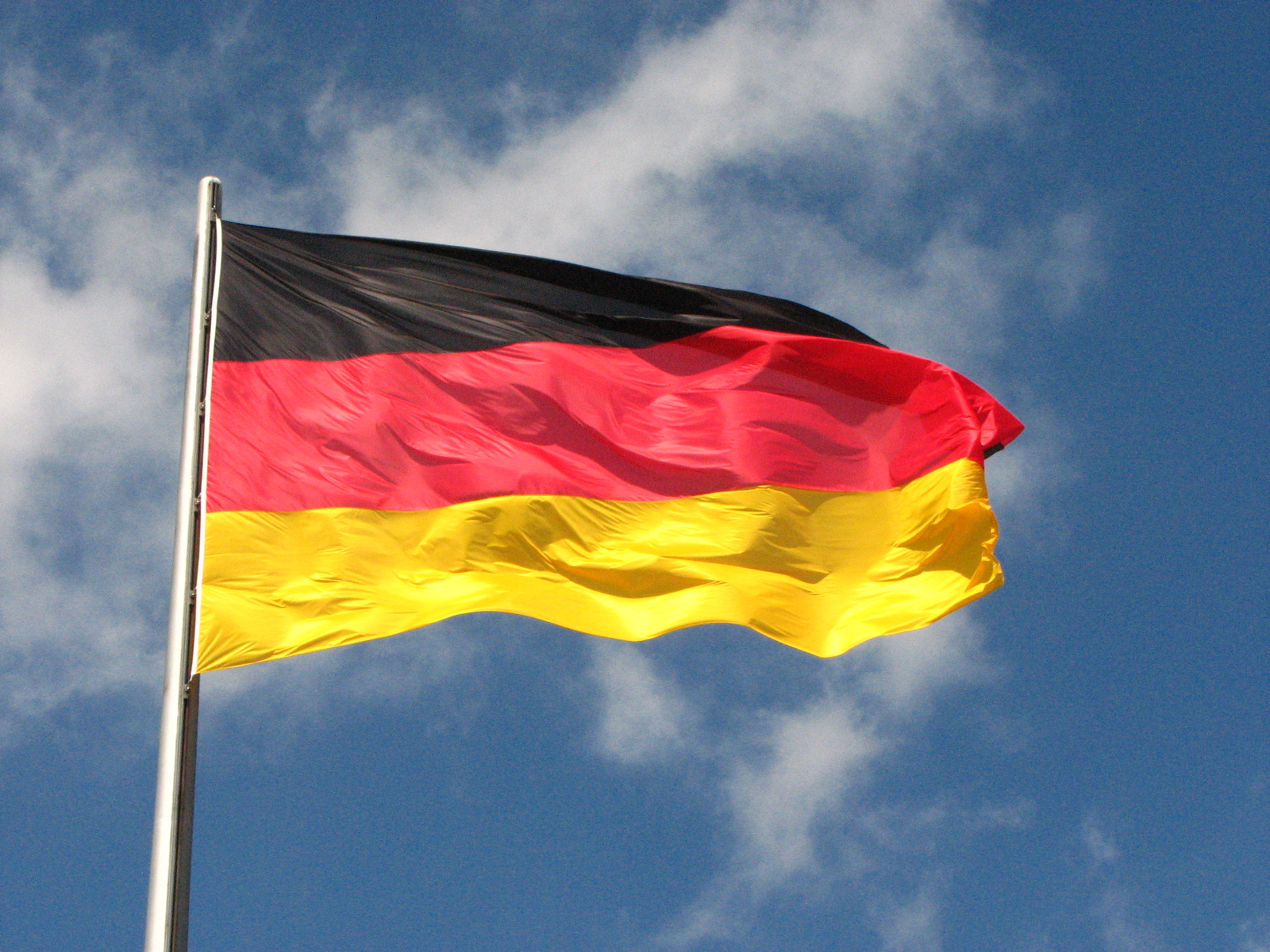
When travelers think of Germany, images of Berlin's vibrant streets or Munich's beer gardens often come to mind. But beyond these famous cities lies a treasure trove of hidden gems: Ramsau bei Berchtesgaden in the Bavarian Alps, Münstertal in the Black Forest with its healing tunnel therapy, Harburg Quarter of Hamburg, Belchen peak with panoramic views to the Alps, Bernstein rock formation, Asendorf in the Lüneburg Heath, Mühltal and Frankenstein Castle, Saint Blaise Abbey with its vast dome, the Moselle Viaduct, and Waldeck Castle ruins. Germany's greatest treasures are often in places where dramatic landscapes meet rich history.
Ramsau bei Berchtesgaden
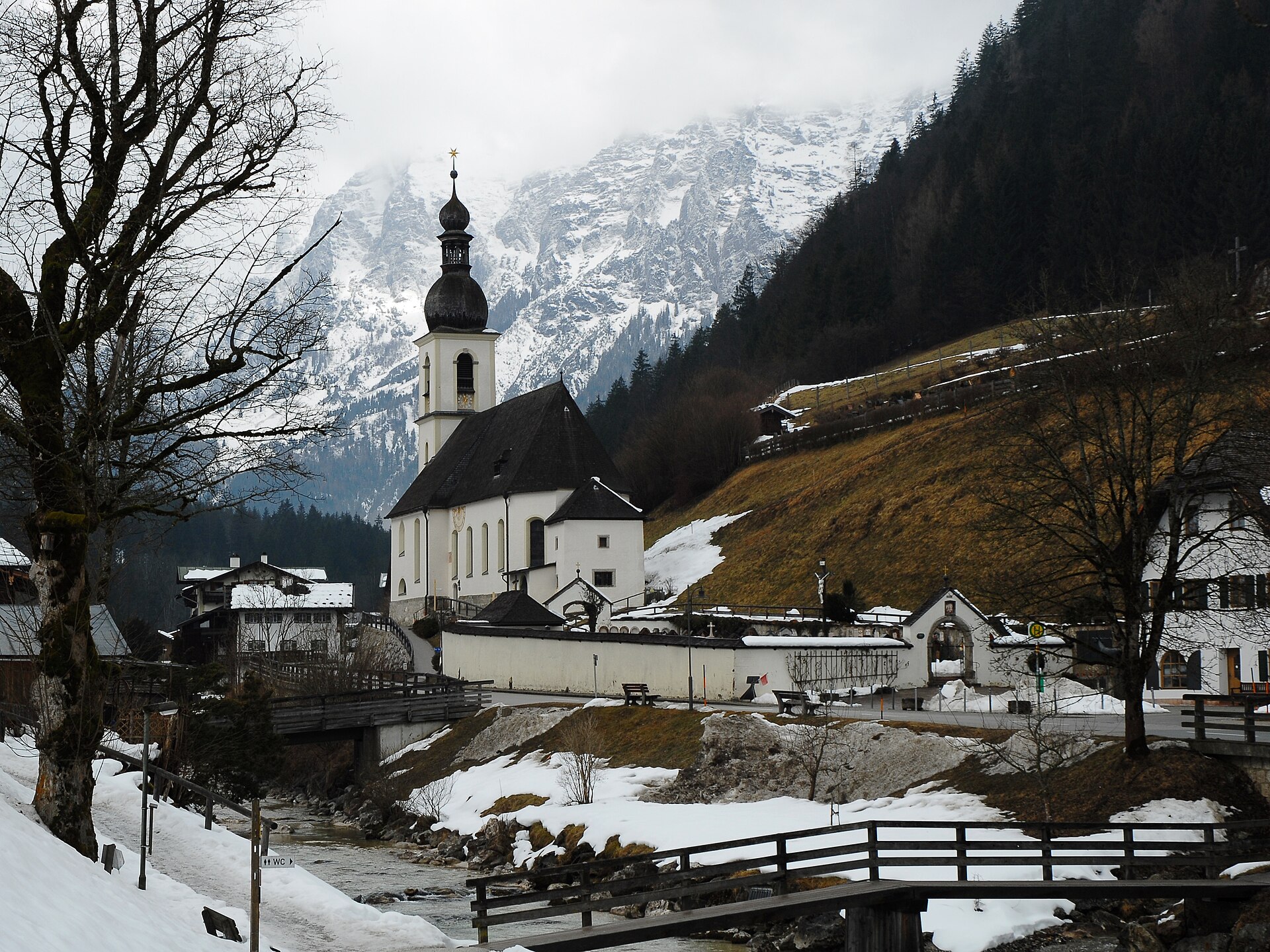
Ramsau bei Berchtesgaden is a German municipality in the Bavarian Alps with a population of around 1,800, located 35 kilometers south of Salzburg and 150 kilometers southeast of Munich. In 2015, Ramsau was designated as Germany's first "Bergsteigerdorf" (mountaineering village), committing itself to nature conservation, agriculture, and sustainable development. The village is immediately adjacent to the Berchtesgaden National Park, Germany's only Alpine national park. The crown jewel is the Church of St. Sebastian (Pfarrkirche St. Sebastian), which creates one of Germany's most iconic postcard views with the massive rock formations of the Mühlsturzhorn and the Reiter Alpe in the background. The church features one of the prettiest cemeteries in the region, with intricate gravestones that evoke comfort and peace rather than melancholy.
Ramsau offers numerous attractions for visitors. The Wimbachklamm, a wild and romantic gorge, provides an unforgettable hiking experience starting from the Wimbachbrücke. The Hintersee, located just 2 kilometers from Ramsau, is a picturesque lake framed by high, steep rock walls in the middle of the legendary Zauberwald (Magic Forest), with numerous hiking trails leading through the forest or around the lake. The National Park Information Center offers free guided hikes through Germany's unique Alpine National Park. The Soleleitungsweg is an easy-to-walk path with just 40 meters of elevation difference, offering constantly changing impressions of the magnificent Alpine landscape. The chairlift to Hirscheck at Hochschwarzeck provides access to higher elevations with spectacular views.
The best time to visit is spring and autumn for pleasant weather; summer suits hiking and winter brings snow. Ramsau bei Berchtesgaden offers an idyllic Alpine setting, the famous church view with the Alps as backdrop, and commitment to sustainable tourism.
Münstertal, Black Forest
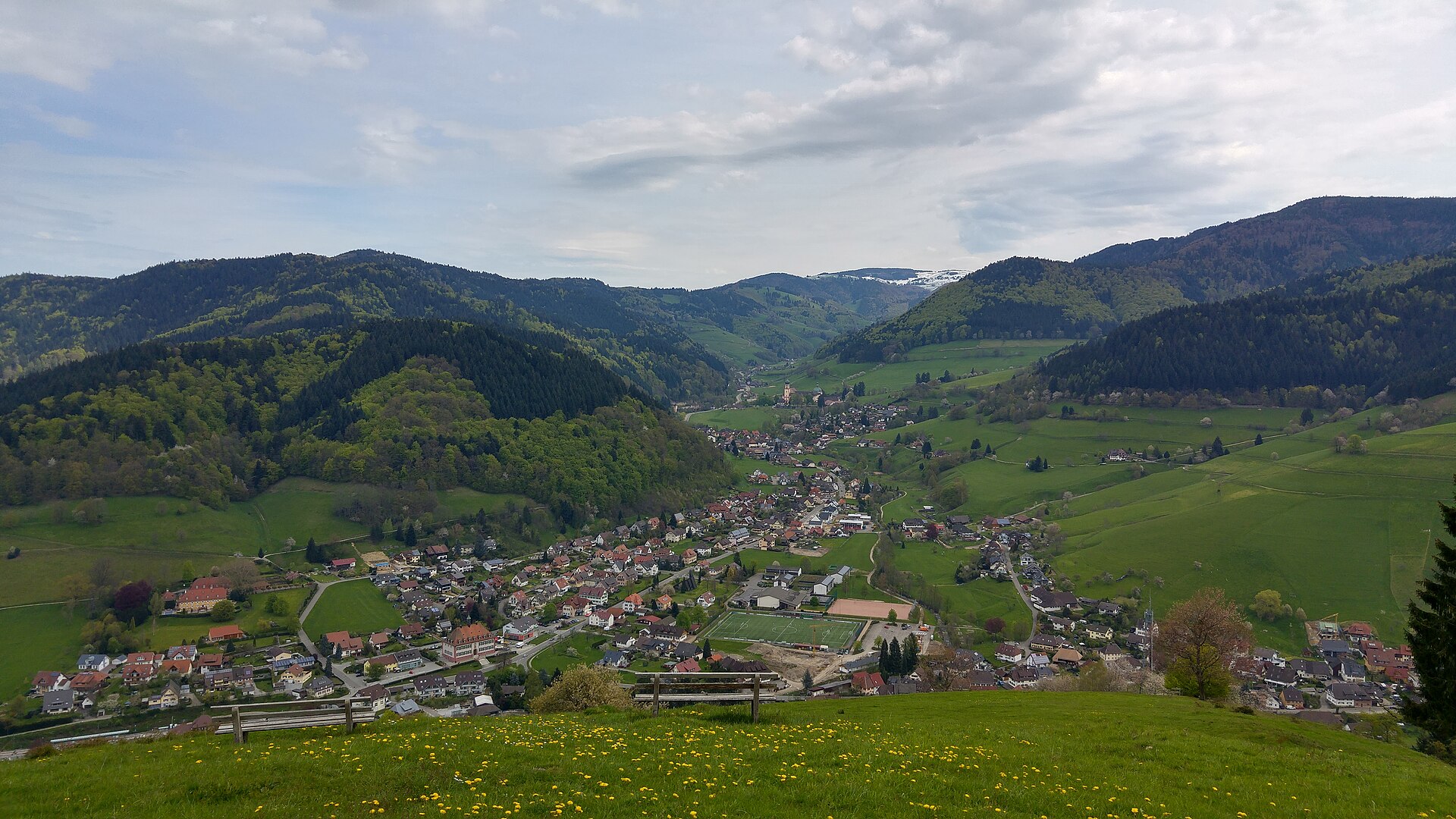
Münstertal (officially Münstertal/Schwarzwald) is a municipality in the southern Black Forest in Baden-Württemberg, located just 3 miles east of Staufen and about 20 kilometers south of Freiburg. Known as the "valley of a hundred valleys" due to its numerous side valleys, Münstertal ranges from 380 meters above sea level up to 1,414 meters on the summit of the Belchen mountain, representing the largest elevation difference (1,060 meters) of any German low mountain range. Since 2013, Münstertal has been a highly recognized spa town with its healing tunnel in the former silver mine Teufelsgrund, and as a "Luftkurort" (air spa), it consistently ranks at the top nationwide for having the cleanest air. The crown jewel is the St. Trudpert Monastery, founded in the 9th century, which was the starting point of the Christianization of the southern part of the Black Forest. The valley is dominated by the Belchen (1,414 meters), with its north face known as the "Eiger of the Black Forest."
Münstertal offers unique attractions that combine natural beauty with therapeutic benefits. The Teufelsgrund (Devil's Ground) exhibition mine displays the mining tradition of the Black Forest, silver mining in the Middle Ages brought great wealth to the region. Today, the mine features the Schindlerstollen, a healing tunnel where respiratory and skin diseases are treated using optimal climatic healing conditions from the depths of the Black Forest's crystalline rock. The area offers over 200 kilometers of marked hiking trails, including nationally awarded paths like the Belchensteig, themed trails, and four wilderness paths. Other attractions include the Black Forest House 1902 museum (where the ARD television series of the same name was produced), the bee museum (the largest of its kind in Europe), and the ruin of Scharfenstein Castle in Obermünstertal.
Visit year-round; overnight guests receive the KONUS card for free Black Forest transport between Karlsruhe and Basel. Münstertal offers pristine air, unique healing tunnel therapy, and dramatic Black Forest landscapes.
Harburg Quarter of Hamburg
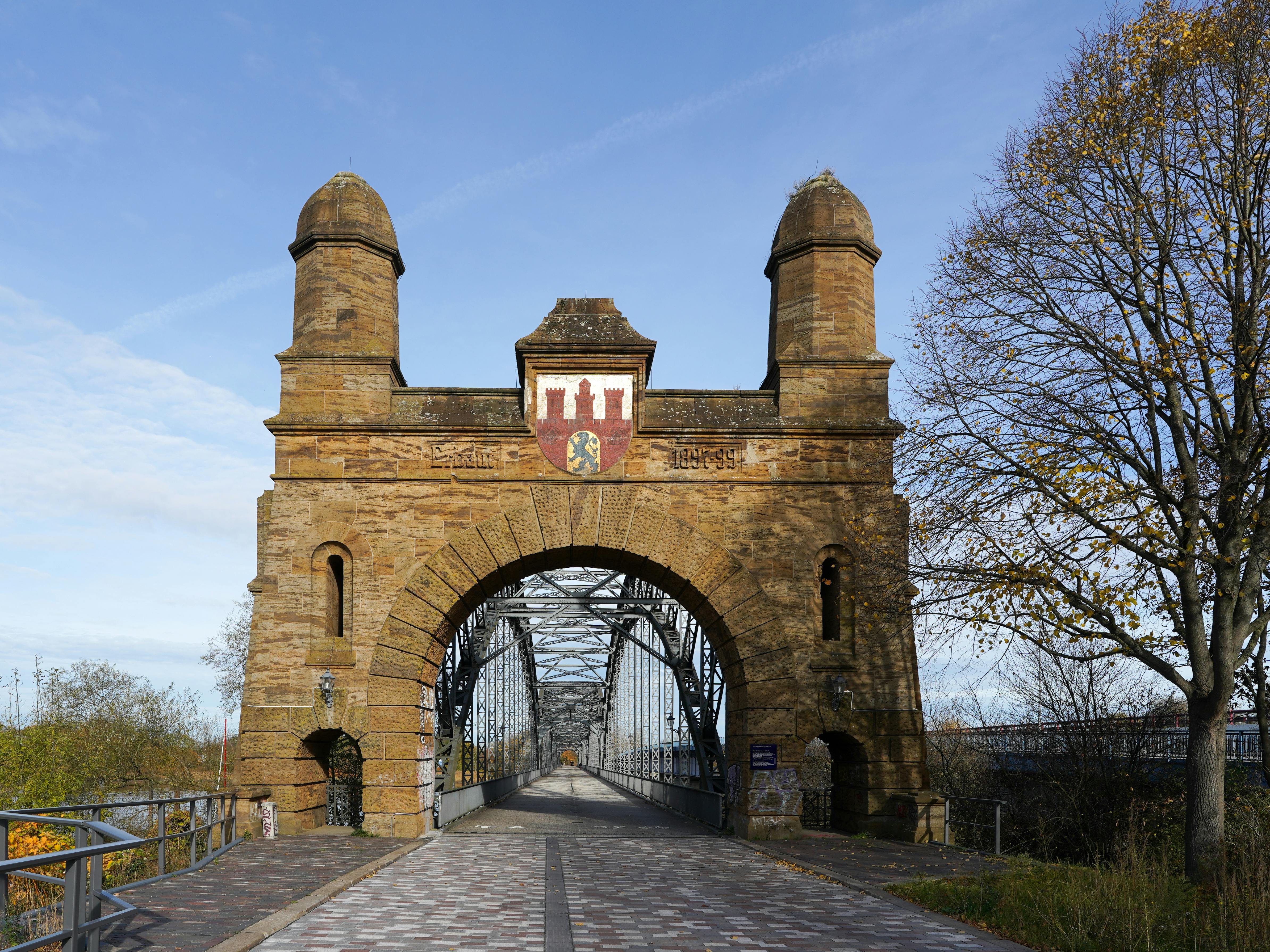
Harburg is a quarter (Stadtteil) in the Harburg borough of Hamburg, Germany, located on the southern side of the Elbe River. With a population of around 28,933, Harburg was once the capital of the Harburg district in Lower Saxony before being incorporated into Hamburg in 1937. The quarter has a rich history dating back to 1133 when a castle named Horeburg (swamp castle) was erected by the counts of Stade. The settlement was granted municipal rights in 1288 and town privileges in 1297, making it one of the oldest urban centers in the region. Today, Harburg is a vibrant urban district that combines historic charm with modern development, serving as an important hub for science and business with the Hamburg University of Technology (TUHH) located here. The crown jewel is its historic town hall, which stands as a symbol of the quarter's former independence and rich history.
Harburg offers unique attractions that showcase its maritime heritage and urban character. The Binnenhafen (inland harbor) area is being transformed into a modern waterfront district with restaurants, cafés, and cultural venues. The quarter is surrounded by expansive natural landscapes, including the Harburg Hills (featuring Hamburg's highest elevation, the Hasselbrack), Fischbek Heath (Hamburg's largest nature reserve), and the famous Altes Land (Germany's largest fruit-growing region). The Technical University of Hamburg (TUHH) brings an academic atmosphere to the area. Visitors can explore the historic old town with its cobblestone streets and timber-framed buildings, enjoy the emerging waterfront district, or venture into the surrounding heathlands and fruit-growing regions. The Hamburg Archaeological Museum provides insights into the region's fascinating past.
Harburg is easily accessible from Hamburg's main station via S-Bahn in about 15 to 20 minutes, ideal for day trips. Harburg Quarter combines rich history with modern development and access to Hamburg's natural landscapes.
Belchen (Black Forest)
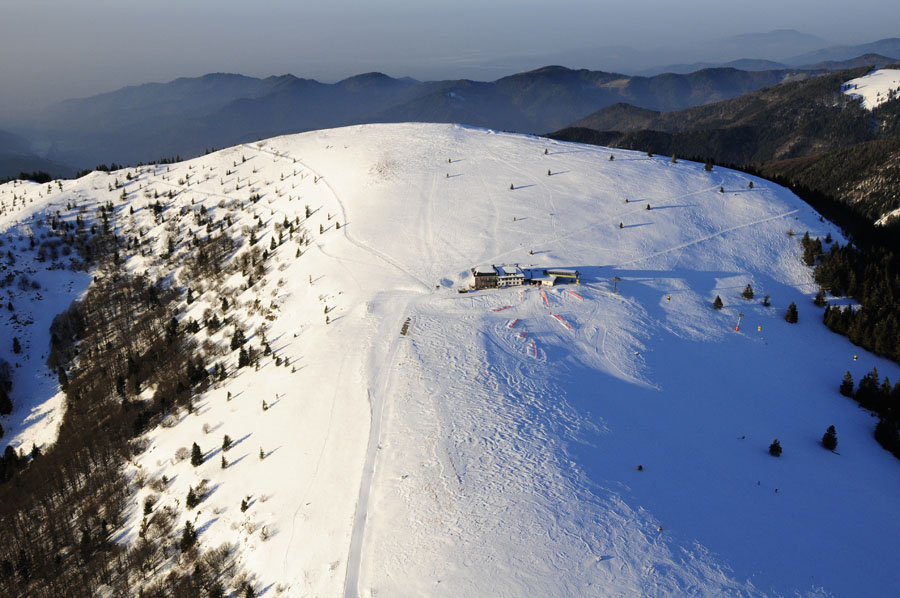
Belchen, at 1,414 meters (4,639 feet), is the fourth-highest summit of the Black Forest after Feldberg, Seebuck, and Herzogenhorn. Located in the southern Black Forest in Baden-Württemberg, about 35 kilometers south of Freiburg, the Belchen is often regarded as one of the most beautiful mountains in the region despite not being the highest. The mountain rises dramatically 1,000 meters out of the Münstertal valley, with its north face representing the area of highest relief energy in the German Central Uplands. The crown jewel is undoubtedly its breathtaking panoramic view, which extends to the Alps (from Zugspitze to Mont Blanc), the Vosges, the Jura, and large parts of the Black Forest when visibility is good. The Belchen is part of the fascinating Belchen System, an astronomical constellation of five mountains called "Belchen" in the border triangle of Germany, France, and Switzerland, which probably served the Celts as a solar calendar over 2,000 years ago. The summit has been car-free since 2001, but can be easily reached via the Belchen Cableway (Belchenbahn), a gondola lift that operates from the bottom station in Aitern-Multen to the top station at 1,356 meters above sea level.
Belchen offers exceptional attractions for hikers, nature enthusiasts, and winter sports fans. The Belchenhaus, located just a few meters below the summit at 1,360 meters above sea level, is the highest inn in the Black Forest and serves as the starting point for numerous hiking trails through the Belchen nature reserve. The area was declared a nature reserve in 1949 due to its rare flora and fauna, and was extended to 1,600 hectares in 1993. Many species of rare butterflies, beetles, and birds are found here, including ravens, peregrine falcons, capercaillie, and hazel grouse. The plants include relicts from the last ice age that are otherwise only found in the Alps. For hikers, the Belchensteig is a certified premium hiking trail, a challenging 15-kilometer circular tour (walking time approximately 5-6 hours). The Summit Circular Trail is an easier 1.3-kilometer (30-minute) tour with spectacular views, accessible from the mountain station. In winter, Belchen transforms into a popular ski resort with 8 kilometers of slopes and 8 kilometers of ski routes, accessible via the cable car.
Summer is best for hiking and views; winter offers skiing via the cable car. The Belchen Cableway provides barrier-free summit access. Belchen offers dramatic elevation, panoramic views to the Alps, and a connection to ancient Celtic astronomy.
Bernstein (Northern Black Forest)
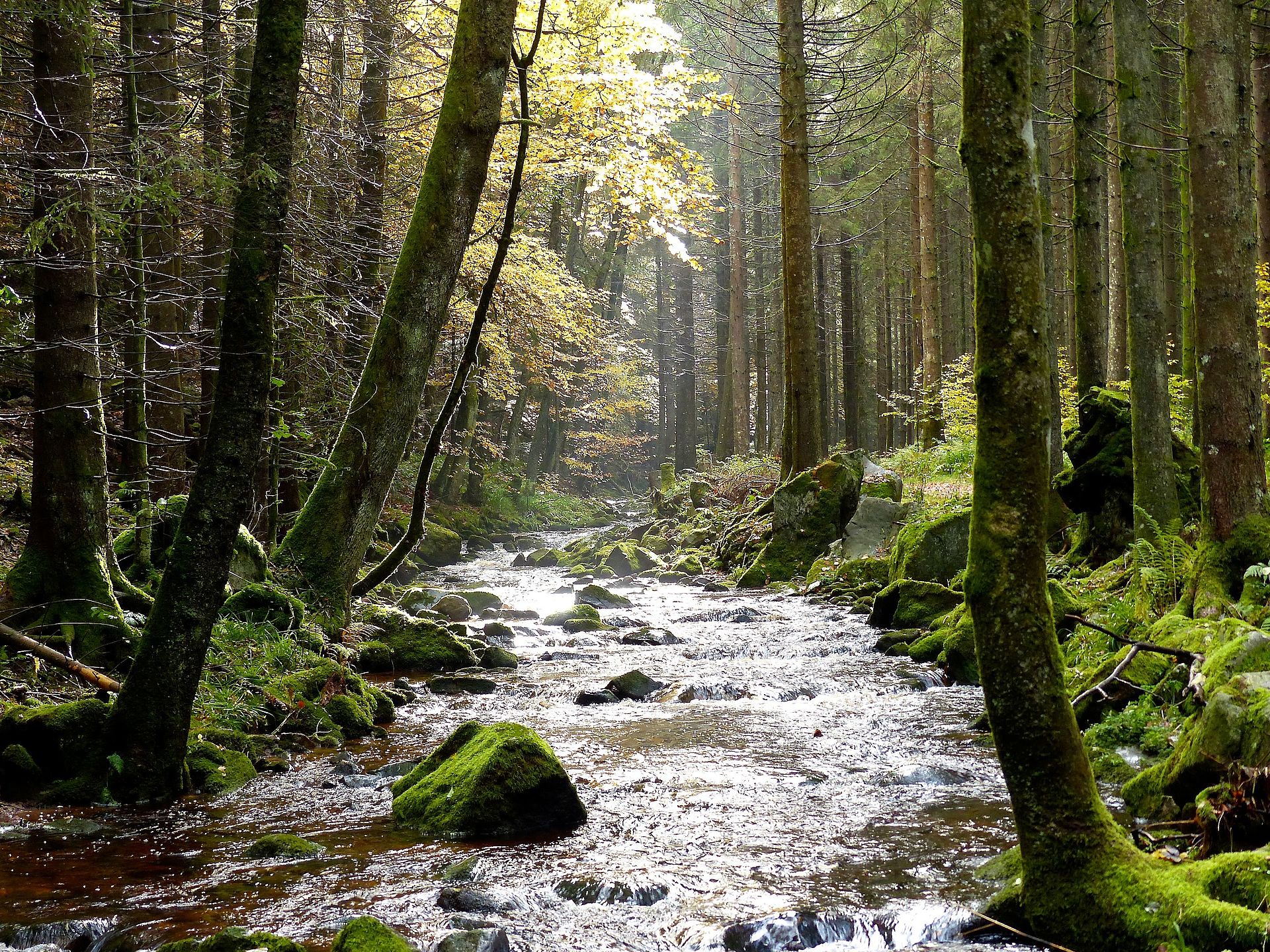
Bernstein is a mountain in the Northern Black Forest, reaching an elevation of 693.5 meters (2,275 feet) above sea level, located within the boroughs of Gaggenau and Bad Herrenalb in Baden-Württemberg, about 5 kilometers from Bad Herrenalb and approximately 35 kilometers from Karlsruhe. The name "Bernstein" derives from the Old High German word "bero," meaning "bear," alluding to the presence of bears in the Northern Black Forest until the late Middle Ages, combined with "stein" (rock). The summit is formed by a six-meter-high crag made of bunter sandstone with a flat top, 25 square meters in area, from where there are exceptional panoramic views. The crown jewel is the Bernsteinfels (Bernstein rock), a striking natural monument that was declared protected in 2007 due to its unique geological formations. The main rock has a volume of about 200 cubic meters and is accessible via a historic stone staircase made in 1864. From the summit, in clear weather, the views extend far over the lower Murg valley, to Strasbourg Minster 54 kilometers away, to the Vosges 60-120 kilometers away, and the mountains of the Palatine Forest 45-75 kilometers away. Since 1995, a semi-circular toposcope made of steel provides information about the direction and distance of visible places and mountains, as well as astronomical information, making this a unique combination of natural viewpoint and astronomical observatory.
Bernstein offers exceptional attractions for hikers and nature enthusiasts. The area is part of the Central/Northern Black Forest Nature Park, the third-largest nature park in Germany, encompassing 3,750 square kilometers of protected landscapes. Several well-marked hiking paths lead to the Bernstein, with the two shortest routes being 3.5 kilometers long from Althof and Bernbach respectively. A popular circular trail from Bad Herrenalb covers 13.5 kilometers with an elevation gain of 424 meters, typically taking 4 hours and 45 minutes to complete, offering moderate difficulty and including varied terrain such as historic border paths and a detour to the Mauzenstein geological site. The Bernsteinhütte, a mountain hut located just 24 meters east-southeast of the summit, serves as a rest point for visitors. Geologically, the Bernstein dates back to the Lower Triassic, approximately 240 million years ago, with the summit block consisting of fissured Middle Bunter Sandstone.
Spring and summer are best for views; winter can be hazardous on the descent. The site is reachable by public transport from Karlsruhe to Bad Herrenalb. Bernstein offers a unique sandstone formation, panoramic views to Strasbourg and the Vosges, and a toposcope combining nature with astronomy.
Asendorf, Harburg
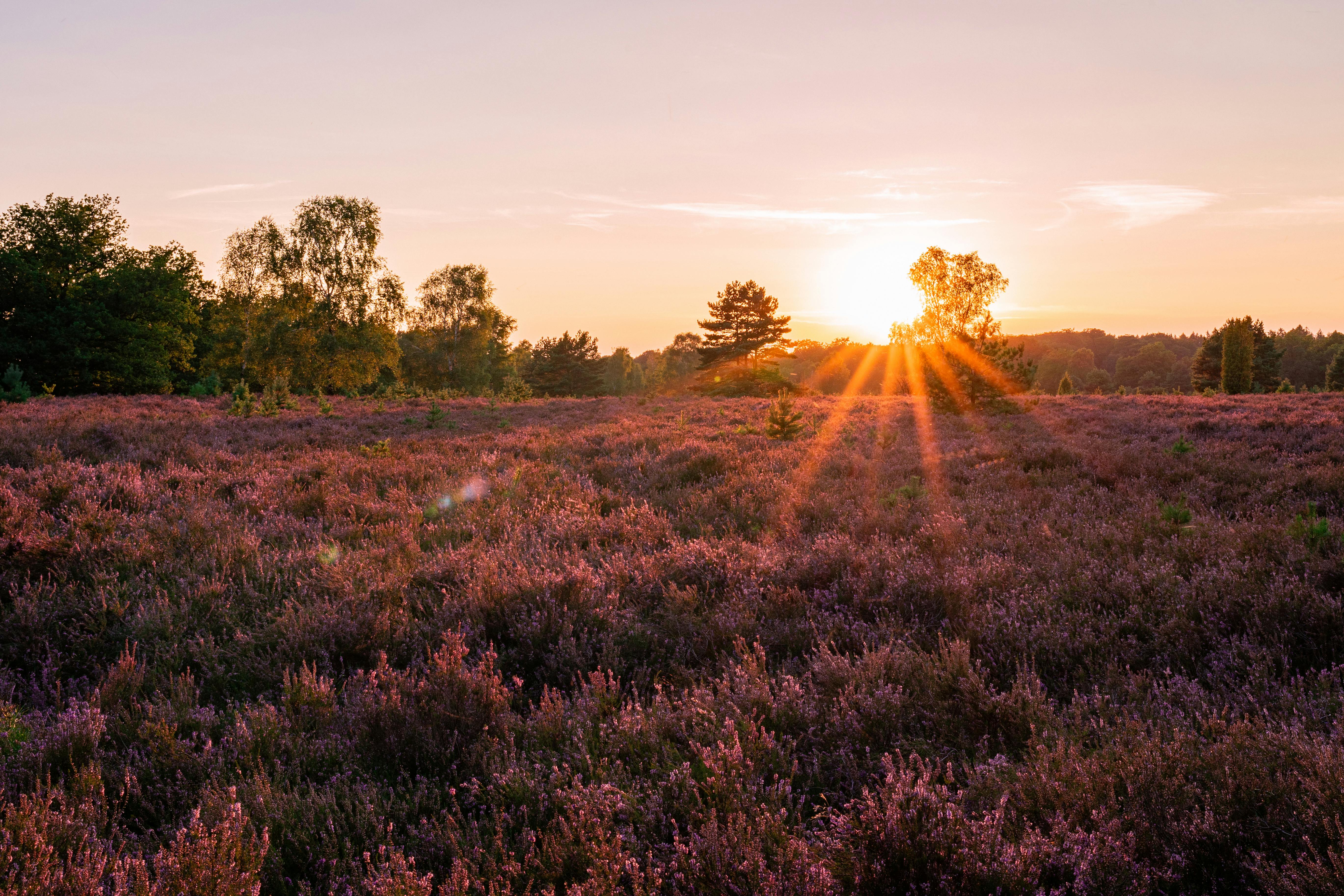
Asendorf is a municipality in the district of Harburg, Lower Saxony, Germany, located in the Lüneburg Heath region (Lüneburger Heide) at the northern edge of the Lüneburg Heath Nature Park. With a population of around 2,113, Asendorf is situated in the Hamburg metropolitan region, making it easily accessible from the city while offering a peaceful rural atmosphere. The village is a preferred residential community known for its family-friendly environment, active community life, and beautiful natural surroundings. The village's motto, "Wenn't allerwägen düster is, in Asendörp schient de Sünn" (When it's dark everywhere, the sun shines in Asendorf), reflects the warm and welcoming spirit of this charming community. The crown jewel is its beautiful sports and recreation area, which includes a village community house, a shooting club house, a barbecue hut, a football field, and a tennis facility with three courts. The area is surrounded by the Lüneburg Heath, one of Germany's most beautiful natural landscapes, known for its purple heather blooms in late summer.
Asendorf offers unique attractions that showcase its community spirit and natural setting. The village maintains a vibrant association life with the Turn- und Sportverein (gymnastics and sports club), the Landjugend (rural youth organization), the Schützenverein (shooting club), and the Freiwillige Feuerwehr (volunteer fire department), all contributing to a rich cultural and social life. The Hotel "Zur Heidschnucke" is regionally known as a conference and wellness hotel, offering excellent service and serving as a base for exploring the Lüneburg Heath. Asendorf maintains a partnership with the Polish municipality of Trzciel, with annual mutual visits that strengthen international bonds and cultural exchange. The village's location makes it an ideal base for exploring the Lüneburg Heath, with its famous heather blooms, traditional heath sheep (Heidschnucken), and charming heath villages. Visitors can enjoy hiking and cycling through the heath landscapes, experiencing the unique flora and fauna of this protected region.
Late summer (August to September) is spectacular when the heather blooms. Asendorf is easily accessible from Hamburg for day trips. The village offers community warmth, natural beauty, and easy access to the Lüneburg Heath.
Mühltal
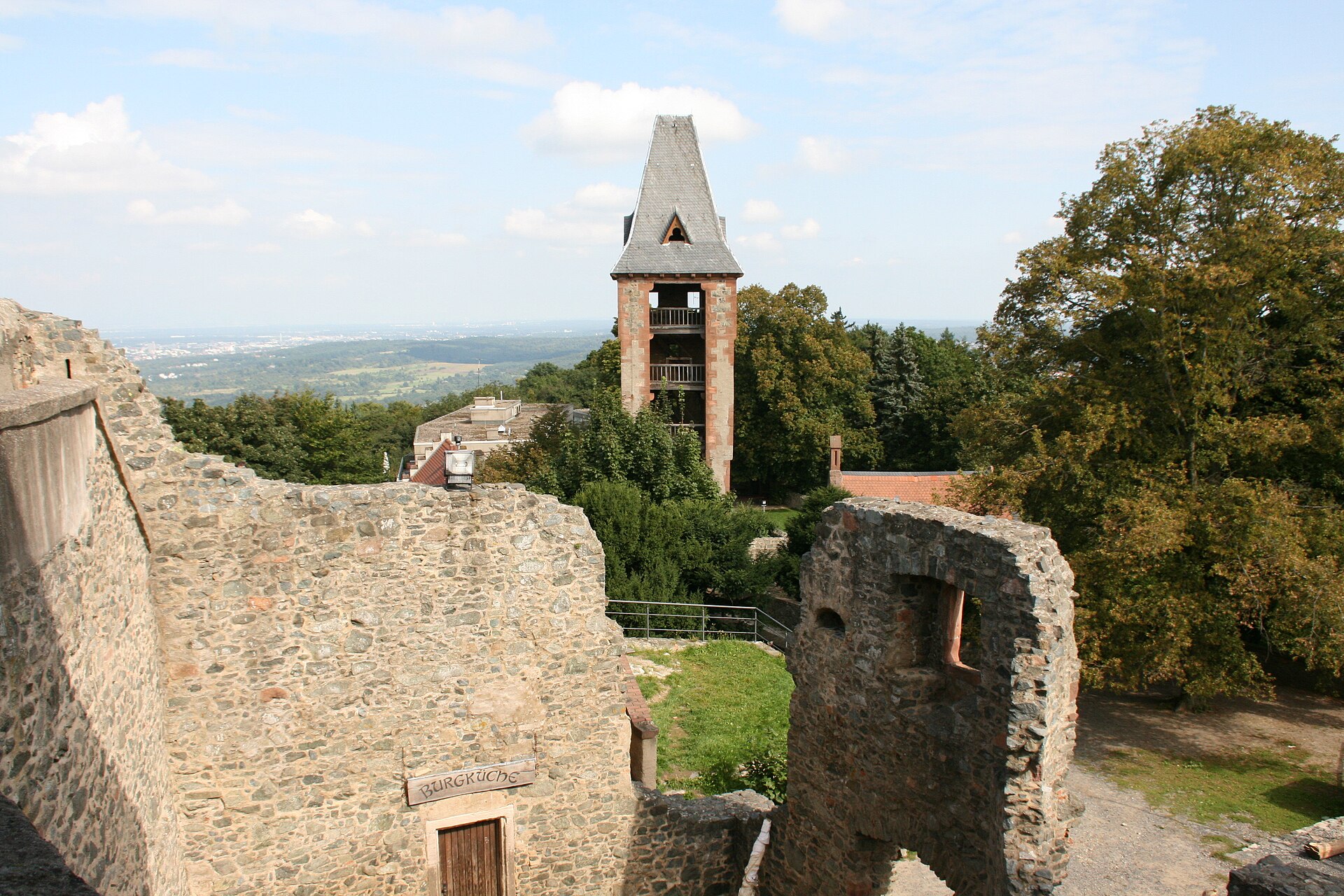
Mühltal is a municipality in the district of Darmstadt-Dieburg, located in Hesse, Germany, situated southeast of Darmstadt from which it is separated by the Stadtwald (City Forest). With a population of around 13,922, Mühltal is known as the "Mill Valley" because historically there were many watermills on the Modau river and its tributaries. The area is characterized by its beautiful forested landscapes, rolling hills, and proximity to the Odenwald region. The crown jewel is undoubtedly Frankenstein Castle (Burg Frankenstein), a historic hilltop fortress located approximately 13-15 kilometers south of Darmstadt in the northern Odenwald region. Built around 1250 by Lord Konrad II Reiz von Breuberg, the castle offers expansive views of the Rhine valley. The castle's name became internationally famous through Mary Shelley's novel "Frankenstein" (1818), though the castle itself takes its name from the medieval lords of the castle. The story begins with the Grimm brothers collecting fairy tales near Frankenstein Castle, where they heard a horror story about Johann Konrad Dippel von Frankenstein, an alchemist and doctor who lived at the castle. According to local legend, Dippel attempted to create a new person using corpse parts and the blood of virgins, resulting in a monstrous being that escaped into the woods. Mary Shelley, during a visit to the region in 1814, was inspired by the legend, eventually creating her famous novel in 1816.
Mühltal and Frankenstein Castle offer exceptional attractions for visitors. The castle grounds are freely accessible from 7:30 am to 7:30 pm, and visitors can climb the tower for rewarding panoramic views of the Rhine valley. The castle features a chapel and medieval structures including preserved kennels and drawbridge traces. An on-site panorama restaurant offers Rhine valley views and seasonal dishes. The castle hosts one of Europe's largest Halloween parties, an established tradition since 1976, attracting visitors from far and wide. Throughout the year, the castle serves as a venue for medieval banquets, live music, jazz, magic shows, and theatre events. The area offers excellent hiking opportunities through the forested landscapes, with trails leading from Mühltal to the castle. Geocaching is available year-round for those seeking an interactive adventure. The municipality's location in the Odenwald region provides access to extensive hiking trails, cycling routes, and natural attractions.
The Halloween season (late October) is special when the castle hosts one of Europe's largest Halloween parties. Mühltal is easily accessible from Darmstadt. Mühltal is known for Frankenstein Castle, its link to Mary Shelley's novel, and the forested Odenwald.
Saint Blaise Abbey, Black Forest
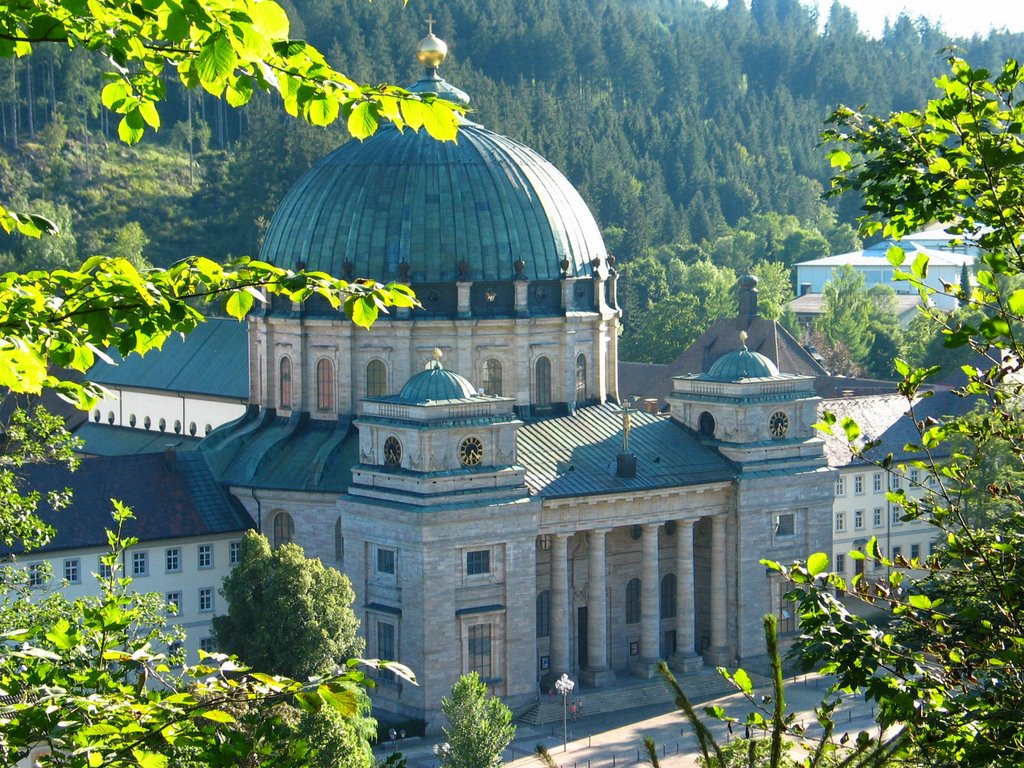
Saint Blaise Abbey (Kloster Sankt Blasien) is a former Benedictine monastery located in the village of St. Blasien in the Black Forest in Baden-Württemberg, Germany, within the Naturpark Südschwarzwald (Southern Black Forest Nature Park). The abbey was founded in the 11th century, though its early history traces back to a cell of Rheinau Abbey known as "cella alba" (the white cell) in the 9th century. The abbey was dedicated to Saint Blaise, a 4th-century Armenian martyr, and became one of the leading Swabian reform monasteries alongside Hirsau Abbey. The abbey was dissolved in 1806 during secularization, and the monks found their way to St. Paul's Abbey in the Lavanttal in Austria. Since 1934, the remaining buildings have been occupied by the well-known Jesuit college, Kolleg St. Blasien. The crown jewel is undoubtedly the Dom St Blasius (St Blaise's Cathedral), one of Europe's most magnificent domed churches. The original abbey church burnt down in 1768, and was rebuilt as a Neoclassical round church by the architect Pierre Michel d'Ixnard, with an enormous dome 46 meters across and 63 meters high, the third-largest dome in Europe north of the Alps. The reconstruction was initiated by Prince-Abbot Martin II Gerbert (1729-1793), and the design was influenced by Rome's Pantheon and Parisian churches. The church was rebuilt in 1913 with a steel construction after another fire in 1874, and a thorough renovation in the 1970s and 1980s restored the cathedral.
Saint Blaise Abbey offers exceptional attractions for visitors interested in history, architecture, and culture. The Dom St Blasius stands as a testament to the abbey's former power and influence, with its magnificent neoclassical architecture and impressive dome creating an awe-inspiring experience. The tall fountain figure of St. Blaise has been watching over the cathedral on the market square since 1716, adding to the historic atmosphere. The Abbey Trail (Klosterweg) from St. Blasien to Klingnau reveals the abbey's past and regional network, offering hikers a chance to explore the historical connections between the abbey and surrounding communities. The area was also known for glass production, with the St Blasian glassworks operating at various locations from 1480 to 1878, making glass production a crucial industry of the abbey. The foundations of these glassworks can still be explored, providing insights into the economic activities that supported the monastery. The village of St. Blasien itself offers a charming setting in the heart of the Black Forest, with beautiful natural surroundings and access to the extensive hiking trails of the Southern Black Forest Nature Park.
The abbey is easily accessible from major cities, ideal for day trips or as part of a Black Forest tour. Saint Blaise Abbey features one of Europe's largest domes and over a millennium of Benedictine history.
Moselle Viaduct
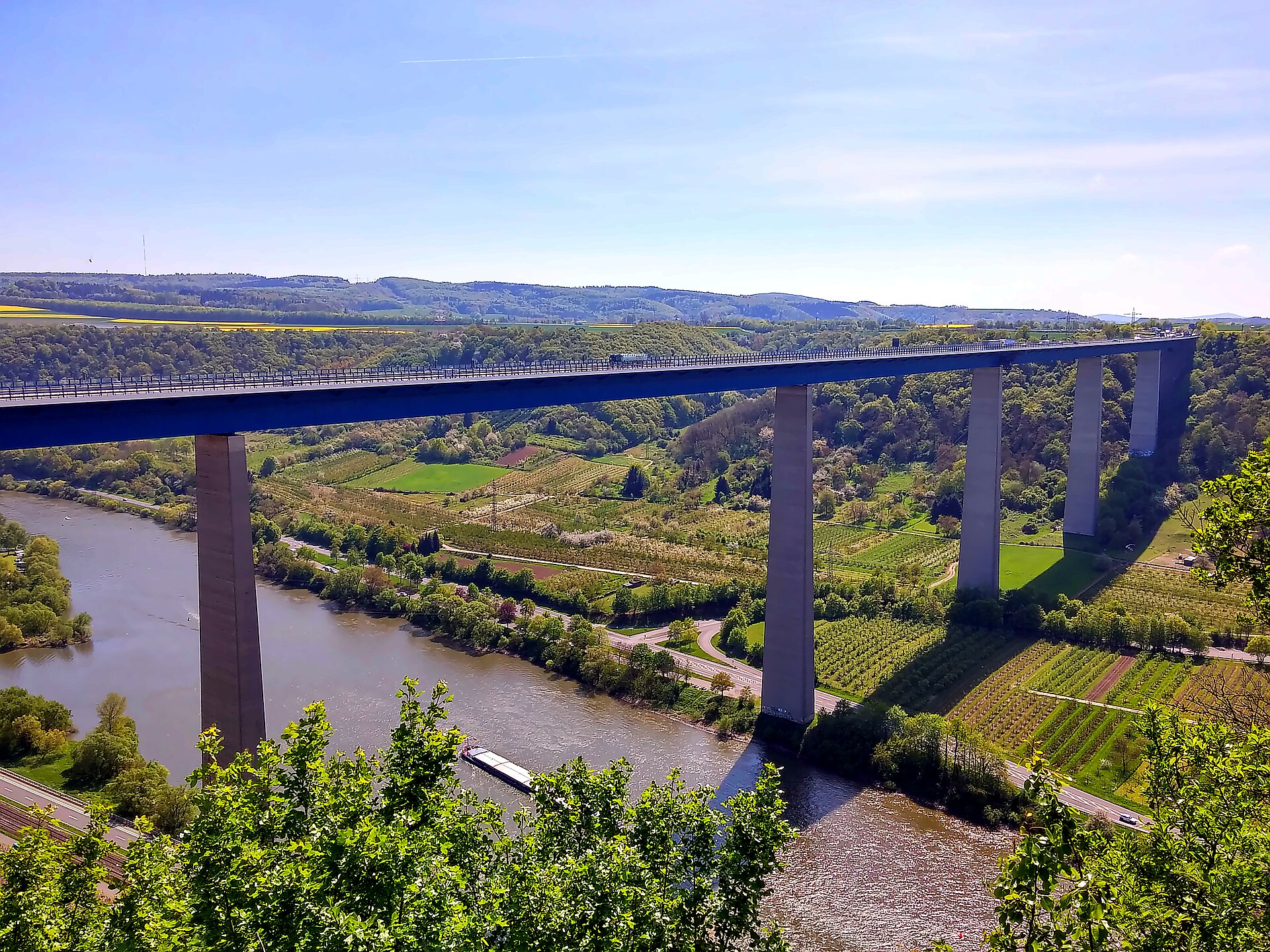
The Moselle Viaduct (Moseltalbrücke) is a spectacular steel beam bridge that carries the Bundesautobahn 61 (A 61) over a meander of the river Moselle, connecting the Hunsrück and Eifel mountain ranges. Built between 1969 and 1972 between the German villages of Winningen and Dieblich, about 10 kilometers (6.2 miles) southwest of Koblenz, the viaduct was constructed at a cost of 39 million Deutsche Mark. At the time of its completion, it was the world's tallest motorway bridge, standing 136 meters (446 feet) above the valley's lowest point. The bridge spans 935 meters (3,068 feet) in length, is 30.5 meters (100 feet) wide, and weighs 11,463 tonnes. The road deck rests on hollow concrete piers with walls 30 centimeters (12 inches) thick, with the longest span measuring 218.2 meters (716 feet). The bridge's height of 136 meters above the valley floor provides spectacular panoramic views of the Moselle Valley, the surrounding vineyards, and the meandering river below. An interesting historical detail is that inside the steel deck is a cavity which can be filled with explosives to blow up the entire bridge in case of war, a feature that reflects the Cold War era in which it was built.
The Moselle Viaduct offers exceptional attractions for visitors interested in engineering, architecture, and scenic beauty. At the north side of the bridge, there are rest areas on both sides of the road with observation sites overlooking the Moselle valley and the bridge itself. Visitors can walk underneath the road deck to the rest area on the opposite side, providing unique perspectives of the bridge's massive structure. The footpath that leads under the bridge to the other side of the highway is always freely accessible and is also part of stage 23 of the Moselsteig, a long-distance hiking trail from Kobern-Gondorf to Winningen. Somewhat secluded below the rest stop "Aussichtspunkt Moseltal" Ost are the steep slopes of the Winninger Hamm, where from the terraces there you have a view of the Mosel Valley Bridge in its entire length. At the rest stop "Aussichtspunkt Moseltal" Ost, there is an archaeological site featuring the wall remains of a Roman mansion from around 200 AD and a cellar. The bridge's location in the heart of the Moselle wine region makes it an ideal stop for those exploring the area's famous vineyards and charming wine villages.
The bridge is easily accessible via the A 61 motorway, ideal for a rest stop or for those interested in engineering marvels. The Moselle Viaduct was the world's tallest motorway bridge when built and offers panoramic views and a walk underneath the deck.
Waldeck Castle (Black Forest)
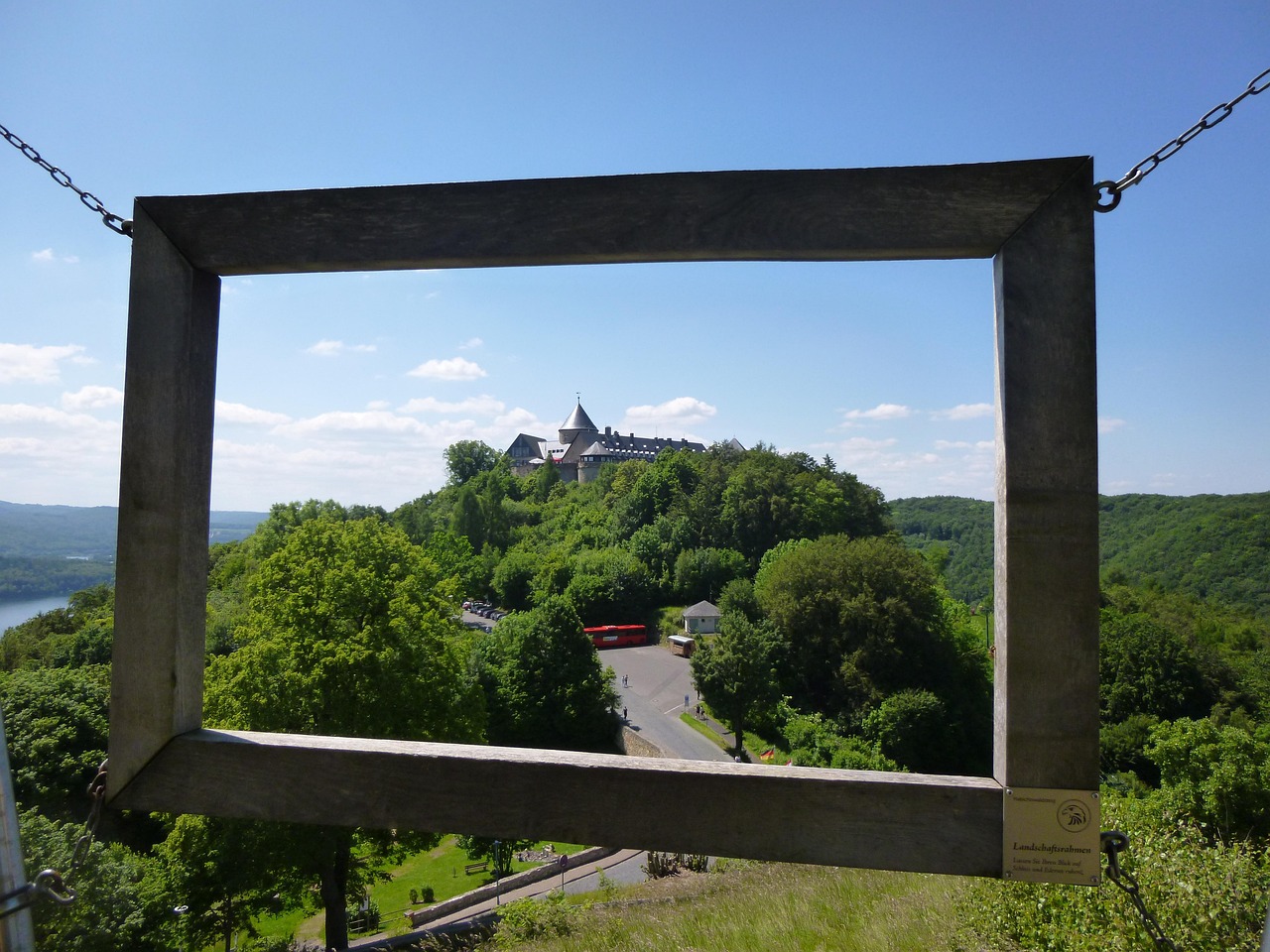
The Ruins of Waldeck (Burgruine Waldeck) are the remains of a medieval spur castle located above the river Nagold near the town of Calw in the northern Black Forest, Germany. The castle ruins appear to be dated from the 12th century, though their exact origin is not well documented. The castle was once the seat of the noble von Waldeck family, which was first mentioned in a document in 1140. Strategically built as a spur castle overlooking the Nagold Valley, it is one of the largest castle ruins in the northern Black Forest. The crown jewel is undoubtedly its impressive fortifications and strategic location. The strong fortifications on the western entrance side are particularly impressive, with visitors in the past having to cross seven moats to reach the small forecourt, a testament to the sophisticated defenses of medieval castles. The well-preserved remains of the walls can be explored on foot, allowing visitors to enter the interior of the castle and get an idea of life in the Middle Ages. The ruins offer a fascinating glimpse into medieval castle architecture and defensive strategies, with the forest having partially reclaimed the site, creating a romantic and atmospheric setting that combines history with natural beauty.
Waldeck Castle offers exceptional attractions for visitors interested in history, hiking, and nature. The ruins are a popular destination for hikers, with a 2.5-kilometer hiking trail leading to the castle in around 30 minutes from the starting point. For more ambitious hikers, there is a 12.5-kilometer circular hike that leads from Zavelstein to the Waldeck castle ruins and back, offering a more extensive exploration of the area. The castle is located in the middle of the Black Forest, partly surrounded by woodland, allowing visitors to enjoy the unique flora and fauna of the region. The castle ruins offer a breathtaking view over the Nagold Valley and the surrounding Black Forest landscape, making it an ideal spot for photography and simply taking in the natural beauty of the area. The ruins are open all year round, and admission is free, making the castle an inexpensive excursion destination. The castle is located near Calw-Stammheim, and visitors can reach it by car from Calw by following the B463 in the direction of Nagold, then turning off in Stammheim and following the signs to the castle ruins. For hikers, the forest parking lot at the hiking home in Zavelstein serves as a recommended starting point.
The castle ruins are free to visit and easily accessible, ideal for families, hikers, and history buffs. Waldeck Castle features seven moats, well-preserved ruins, and sweeping views over the Black Forest.
Conclusions
Ramsau bei Berchtesgaden, Münstertal, Harburg Quarter, Belchen, Bernstein, Asendorf, Mühltal, Saint Blaise Abbey, the Moselle Viaduct, and Waldeck Castle prove that Germany has so much more to offer beyond its famous cities. These hidden gems offer unique perspectives that will challenge everything you thought you knew about Germany. Whether you're standing at the bridge near the Church of St. Sebastian in Ramsau capturing the famous postcard view with the Alps in the background, experiencing the unique healing tunnel therapy in Münstertal's Teufelsgrund mine, ascending to the Belchen summit via cable car for breathtaking panoramic views extending to the Alps, climbing the historic stone staircase to the Bernsteinfels for far-reaching vistas to Strasbourg and the Vosges, experiencing the warm community spirit of Asendorf in the Lüneburg Heath, hiking through the Odenwald forests to the legendary Frankenstein Castle that inspired Mary Shelley's novel, standing in awe beneath the magnificent dome of Saint Blaise Abbey, marveling at the engineering excellence of the Moselle Viaduct, or exploring the impressive medieval ruins of Waldeck Castle with its seven moats, these destinations invite you to slow down and truly experience the magic of Germany's diverse landscapes, urban heritage, geological wonders, rural charm, literary history, ecclesiastical grandeur, engineering excellence, and medieval history. Add them to your list and discover sides of Germany that many travelers never see.
Spirit of Traveling Team
Passionate traveler and content creator sharing authentic travel experiences and practical tips for independent explorers.