Italy: 10 Hidden Gems You Need to Discover
Beyond the famous cities of Rome, Florence, and Venice, Italy hides incredible destinations waiting to be explored. Discover Herculaneum's ancient Roman ruins better preserved than Pompeii, Matera's extraordinary Sassi cave dwellings and UNESCO heritage, Camogli's colorful fishing village and "city of a thousand white sails", Ostia Antica's ancient port revealing everyday Roman life, Levanto's sandy beach and Cinque Terre base with fewer crowds, Fascia's mountain village as birthplace of ravioli and highest in Liguria, Procida's vibrant Marina Corricella and Italian Capital of Culture 2022, Ercolano's Golden Mile aristocratic villas and gateway to Herculaneum, Bagnoregio's "dying town" Civita perched on a dramatic bridge, and Moena's "Fairy of the Dolomites" with Ladin culture and Alpenglow. Ten hidden gems that will make your Italian adventure unforgettable.
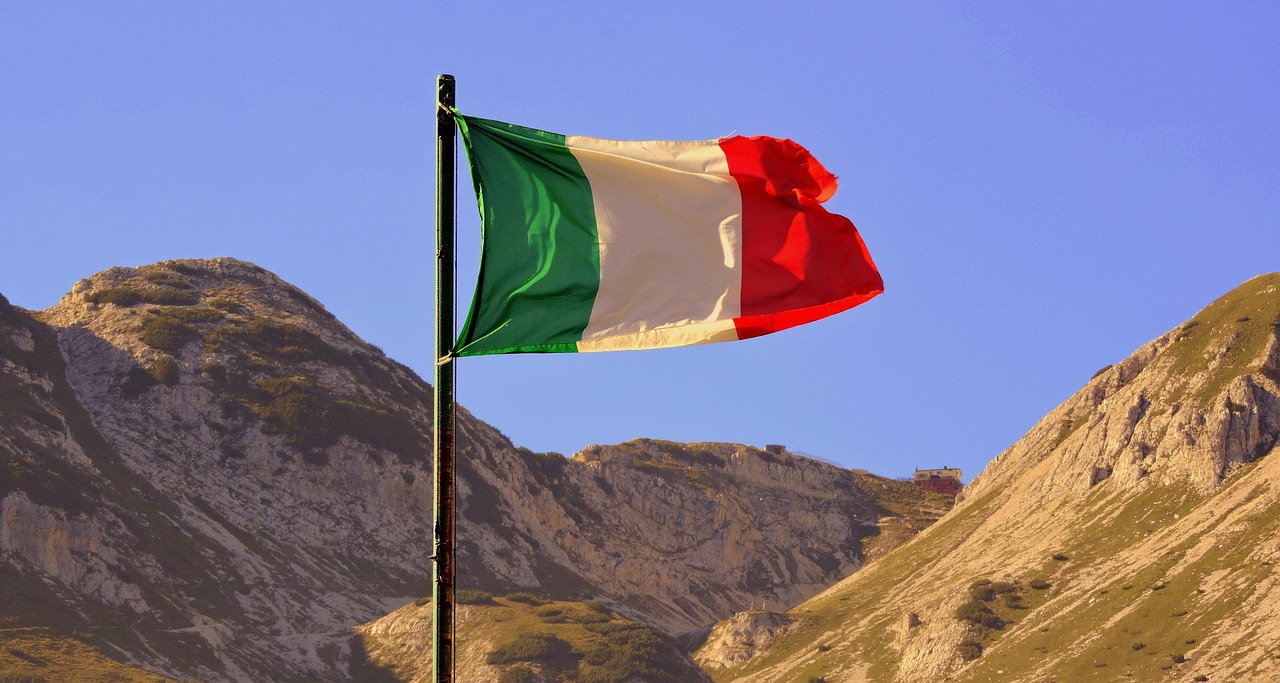
Beyond the famous cities of Rome, Florence, and Venice, Italy hides incredible destinations waiting to be explored. Discover Herculaneum's ancient Roman ruins better preserved than Pompeii, Matera's extraordinary Sassi cave dwellings and UNESCO heritage, Camogli's colorful fishing village and "city of a thousand white sails", Ostia Antica's ancient port revealing everyday Roman life, Levanto's sandy beach and Cinque Terre base with fewer crowds, Fascia's mountain village as birthplace of ravioli and highest in Liguria, Procida's vibrant Marina Corricella and Italian Capital of Culture 2022, Ercolano's Golden Mile aristocratic villas and gateway to Herculaneum, Bagnoregio's "dying town" Civita perched on a dramatic bridge, and Moena's "Fairy of the Dolomites" with Ladin culture and Alpenglow. Ten hidden gems that will make your Italian adventure unforgettable.
Herculaneum
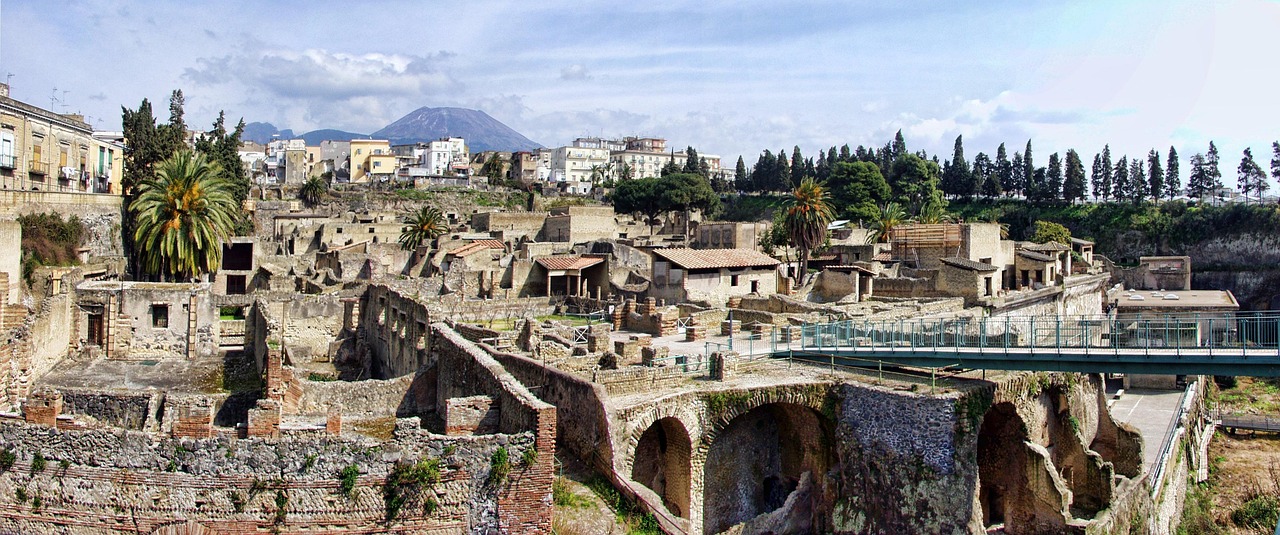
Herculaneum lies in the comune of Ercolano, Campania, 8 kilometers southeast of Naples. The Circumvesuviana train stops at Ercolano Scavi, a short walk from the archaeological park entrance. Plan for a couple of leisurely hours—the site is compact and manageable, ideal for a half-day or as part of a Naples stay. The eruption of 79 AD buried the town under deep pyroclastic material, which carbonized and preserved wood, food, and papyrus; today you walk past intact roofs, wooden doors, and vivid frescoes that bring daily Roman life into sharp focus.
The crown jewels are the well-preserved frescoes throughout the city, many still displaying vivid colors and detailed artwork depicting scenes from mythology, including the twelve labors of Hercules, after whom the city was named. The Villa of the Papyri, thought to have belonged to Julius Caesar's father-in-law, contained the only ancient library to survive virtually intact, with over 1,800 carbonized papyrus scrolls discovered. The so-called "boat houses" along the ancient shoreline revealed the skeletal remains of at least 300 people who were waiting for rescue when the pyroclastic surge hit. Unlike Pompeii, where you need to use your imagination to understand what you're seeing, Herculaneum lets you experience ancient Roman life almost as it was, with preserved wooden furniture, food, and even a fast-food outlet with large pots in the counter that contained ready-to-eat meals.
The best time to visit is during spring and autumn when temperatures are pleasant, though the site is open year-round. Herculaneum receives only about 300,000 visitors per year compared to Pompeii's 3.8 million, making it a much more peaceful and intimate experience. Herculaneum captivates with its remarkable preservation, colorful frescoes, and wooden structures that survived nearly 2,000 years, offering a more authentic and less overwhelming alternative to Pompeii.
Matera
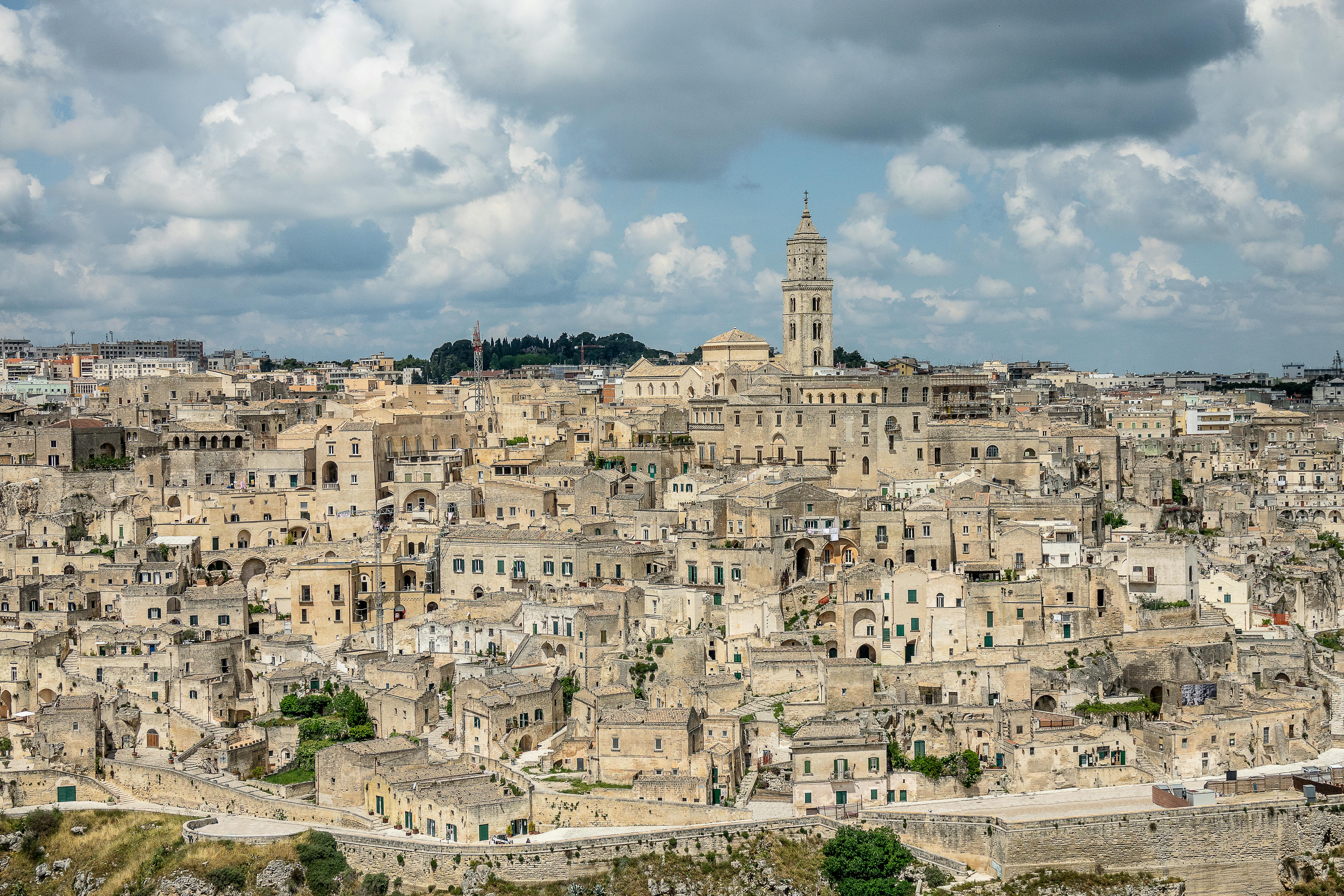
Matera is a city in the Basilicata region of Southern Italy, renowned for its distinctive rock-cut urban core known as the Sassi, which consists of two cliffside districts built into limestone cliffs overlooking the Gravina river gorge. With a history of continuous occupation dating back to the eighth millennium BC, Matera is potentially one of the oldest continuously inhabited settlements in the world. The city is accessible by train from Bari or by car, with the nearest airport being Bari Airport. The modern city of 60,000 residents sits above the ancient Sassi, and private cars are not allowed into the old town, so parking is available some distance away. The Sassi comprise approximately twelve levels spanning 380 meters in height, connected by a network of paths, stairways, and courtyards.
The crown jewels are the rupestrian churches carved from the calcarenite rock, with the Church of Saint Mary of Idris built into a giant monolith called Monterrone, featuring magnificent frescoes dating from the 12th to the 17th century. Matera Cathedral, perched at the highest point of the Sassi with its 52-meter tall bell tower, was constructed in the 13th century in Apulian Romanesque style. The Palombaro Lungo, nicknamed the "Cathedral of Water," is the largest underground cistern supplying water to the Sassi. The distinctive landscape has been used as a filming location for numerous movies, including The Passion of the Christ, Wonder Woman, and Ben-Hur, earning Matera the nickname "Little Jerusalem" among filmmakers.
The best time to visit is during spring and autumn when temperatures are pleasant, though the city is beautiful year-round. Matera offers a unique experience where you can stay in cave hotels, dine in restaurants carved into the rock, and explore ancient churches with Byzantine frescoes. Matera captivates with its extraordinary cave dwellings, ancient rupestrian churches with magnificent frescoes, and its unique position as one of the world's oldest continuously inhabited cities.
Camogli
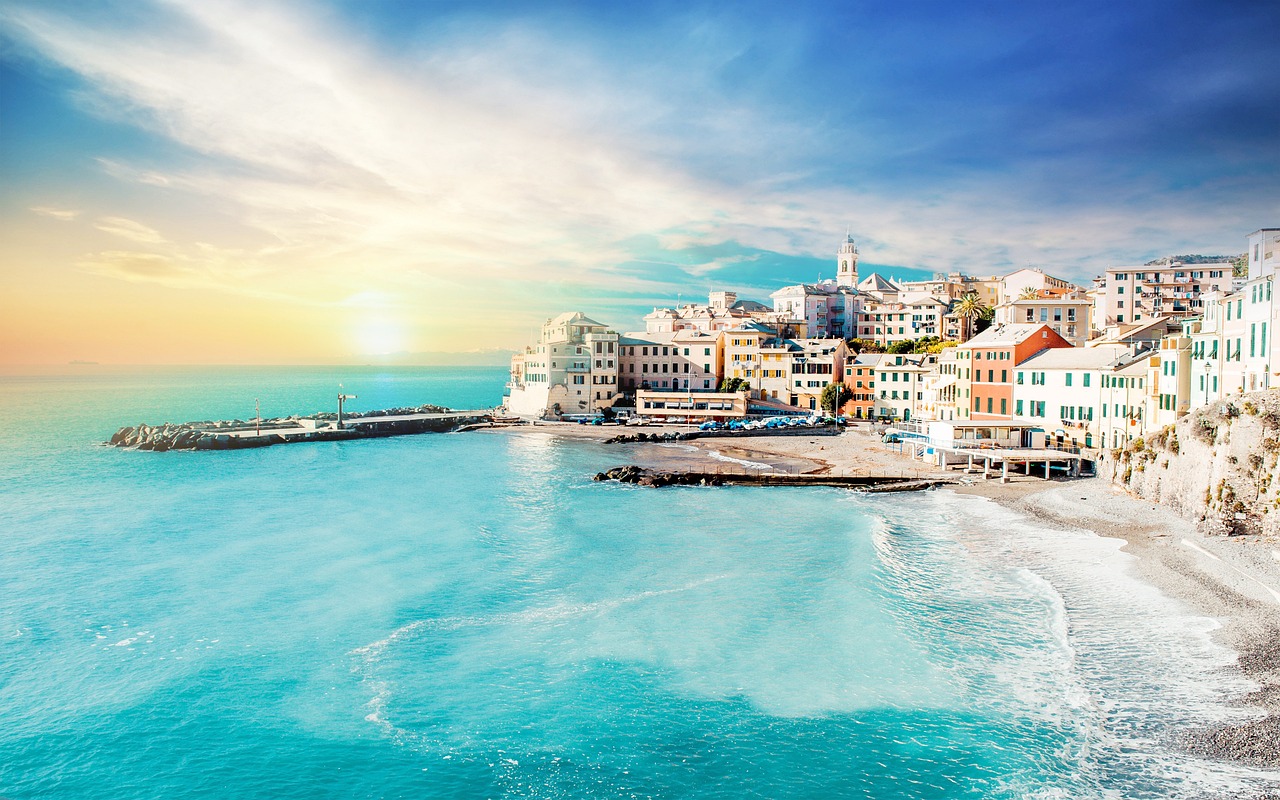
Camogli is a fishing village and tourist resort located on the west side of the Portofino Peninsula, on the Golfo Paradiso in the Riviera di Levante, in the Metropolitan City of Genoa, Liguria. In its maritime heyday, Camogli was called the "city of a thousand white sails" with a fleet consisting of hundreds of tall ships. The town is easily accessible by train, just two stops and about 8 minutes away from Rapallo, with the Camogli-S. Fruttuoso station located right in the heart of town. The town is compact and perfect for a day trip or a relaxing stay of one or two nights.
The crown jewels are the colorful houses that line the beach and harbor, creating one of the most picturesque scenes on the Italian Riviera. The house colors once helped the fishermen of Camogli find their way back to their port, creating a practical yet beautiful tradition that continues today. The Basilica of Santa Maria Assunta sits on a rocky cliff jutting out to the sea, with one side facing the harbor and the other a small rocky swimming spot. Next to it is the Castello della Dragonara (Dragon's Castle), a 13th-century defensive structure built to defend against invaders. The harbor is full of fishing boats and small sailing boats, and the seaside promenade stretches along Via Garibaldi, hosting shops, restaurants, and beaches lined with colorful umbrellas.
The best time to visit is during spring, summer, and early autumn when you can enjoy the beaches and outdoor activities. Camogli offers a perfect balance, smaller than its busier neighbor Rapallo, and much more humble than nearby Portofino, making it an ideal spot for those seeking an authentic Italian Riviera experience without the crowds.
Ostia Antica
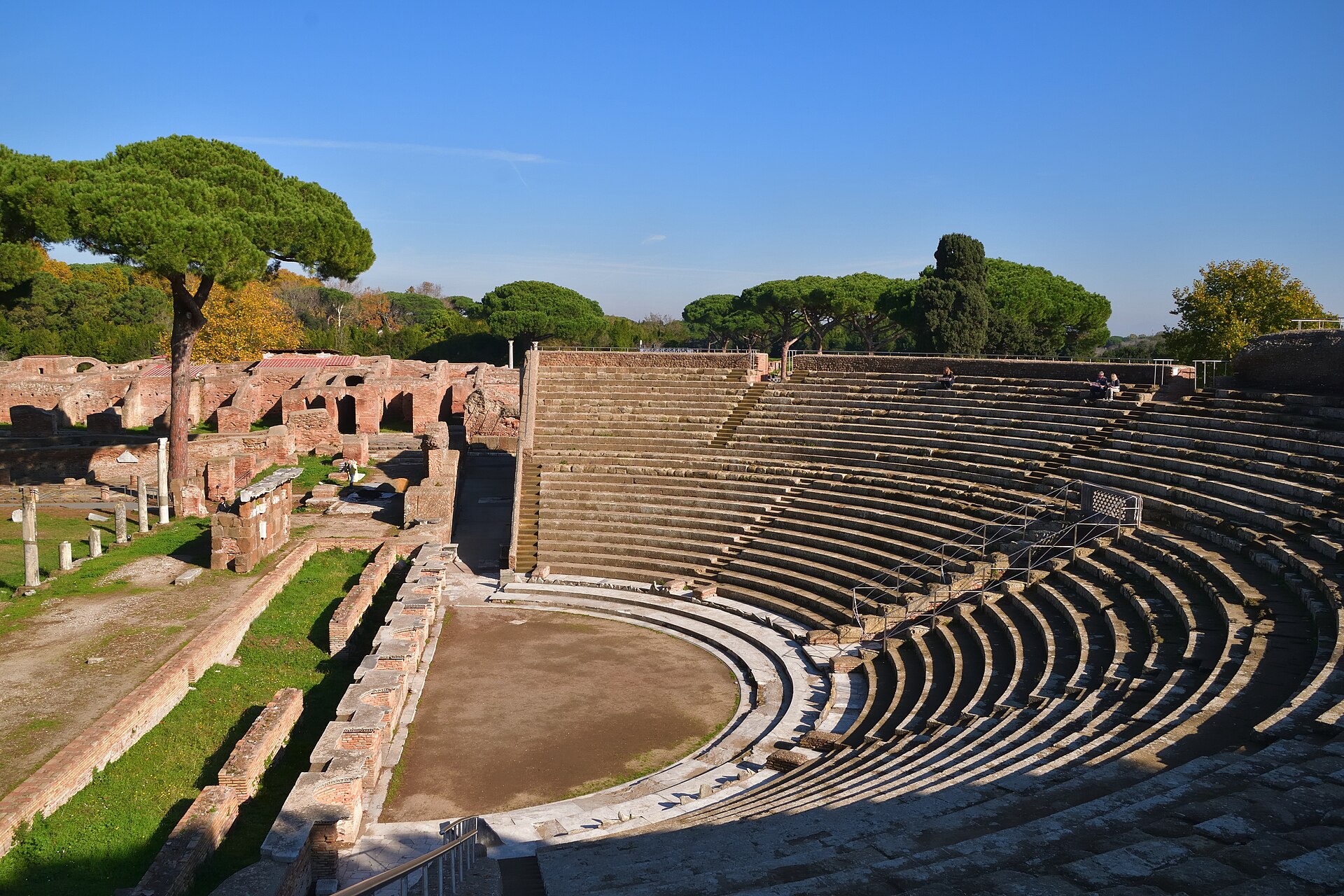
Ostia Antica is an ancient Roman city and the port of Rome located at the mouth of the Tiber, near modern Ostia, 25 kilometers southwest of Rome. Due to silting and the invasion of sand, the site now lies 3 kilometers from the sea. According to legend, Ancus Marcius, the fourth king of Rome, founded Ostia in the 7th century BC, making it potentially Rome's first colonia. The site is easily accessible from Rome, just a 45-minute combination Metro and train ride. From Rome, take Metro line B to the Piramide stop, then walk a few steps to the Roma Porta San Paolo train station and follow signs to Lido. The archaeological site covers 150 hectares, and it has been estimated that two-thirds of the ancient town are as yet unexcavated.
The crown jewels are the well-preserved buildings that provide insights into Roman urbanism not accessible within the city of Rome itself. The Theatre, built in the late first century BC, could host up to 4,000 residents and offers great views of the Square of the Guilds, which was the bustling centre of Rome's import and export industry. The Baths of Neptune, built by the Emperors Hadrian and Antoninus Pius, feature spectacular black and white mosaics that tile the floors, including a mosaic of Neptune riding four horses through the sea, best admired from above. The site includes apartment buildings, upper-class houses, temples, hotels, bars, public baths, latrines, workshops, and stores, giving visitors a comprehensive idea of what life was like at the height of the Empire in an ancient Roman commercial town.
The best time to visit is during spring and autumn when temperatures are pleasant, though the site is open year-round. Ostia Antica is often overlooked by visitors to Rome, as evidenced by the lack of crowds, making it a peaceful escape from the noise of the city. Ostia Antica captivates with its excellent preservation of ancient buildings and authentic glimpse into everyday Roman commercial life, offering a more authentic look at Roman urbanism than Pompeii.
Levanto
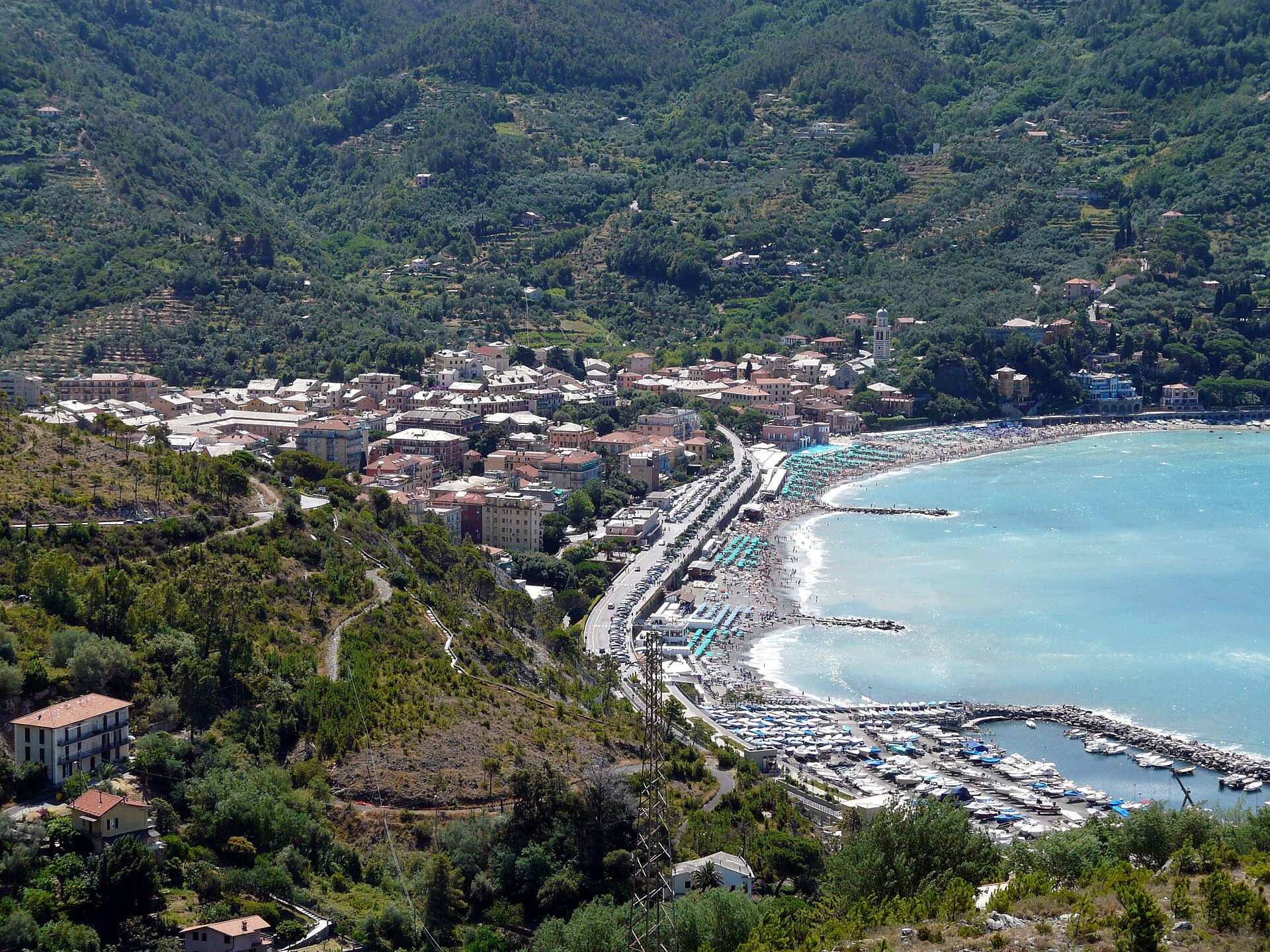
Levanto is a comune in the province of La Spezia, in the Italian region of Liguria, located almost 90 kilometers southeast of Genoa and about 20 kilometers northwest of La Spezia. The town is on the coast at the mouth of a river valley, between hills thickly wooded with olive and pine trees. The municipality forms part of the coastal district known as the Comunità Montana della Riviera Spezzina, and part of its territory is included in the Cinque Terre National Park. Levanto is easily accessible by train, with Levanto station being a stop on the Genoa-Pisa railway and the westernmost station for tourist trains serving the villages of the Cinque Terre. The town is the first town just to the north of the Cinque Terre, making it an ideal base for exploring the famous five villages.
The crown jewels are the medieval castle, built to defend the village and still in a state of perfect conservation, though privately owned and not open to the public. The Church of Sant'Andrea is an example of 13th-century Ligurian Gothic style with its façade decorated in black and white stripes, and a magnificent rose window surmounting the main door. The historic old town features winding lanes, a medieval loggia, ancient churches, and pastel-colored houses with trompe l'oeil façades. If you fancy an adventurous holiday, there are loads of activities on offer, from guided hikes around the hills, to diving in the Cinque Terre marine park, surf classes, kayaking, stand-up paddle boarding, mountain biking, and e-biking tours that allow you to explore the hills without the hard work.
The best time to visit is during spring, summer, and early autumn when you can enjoy the beaches and outdoor activities. Levanto offers a perfect balance, it has the charm and beauty of the Cinque Terre but with a more authentic, less touristy atmosphere. Levanto captivates with its sandy beach, charming historic center, and adventure activities, offering the perfect base for exploring the Cinque Terre while providing a more authentic Ligurian experience.
Fascia
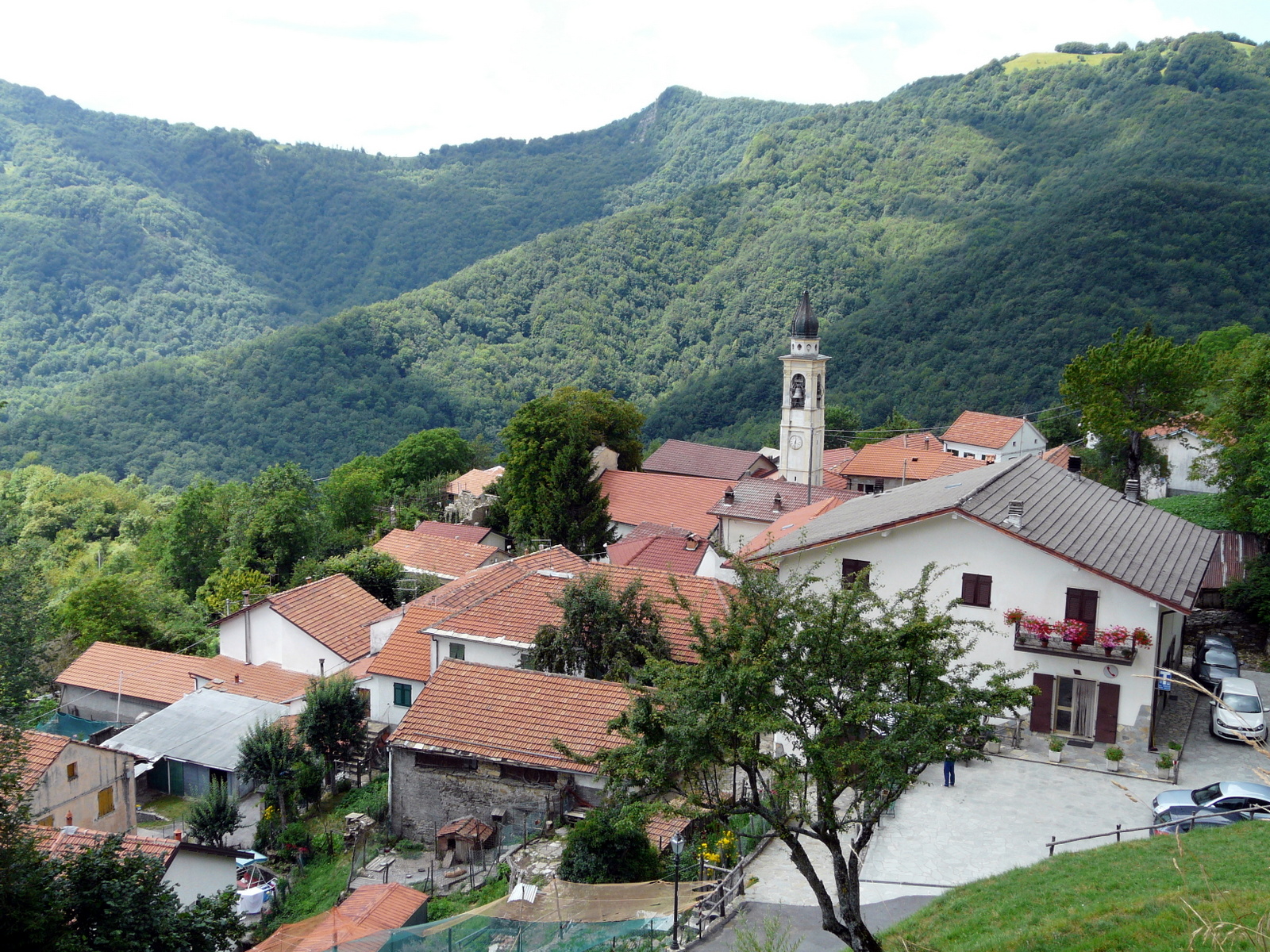
Fascia is a comune in the Metropolitan City of Genoa in the Italian region of Liguria, located about 30 kilometers northeast of Genoa. At 1,118 meters above sea level, it is the highest municipality in Liguria, extending along the left bank of the Cassingheno stream on the slopes of Monte Carmo, which separates the Trebbia and Borbera valleys. Fascia is accessible by car from Genoa, though the journey takes you into the heart of the Ligurian Apennines, away from the coastal tourist routes. The village is tiny, with a population of only about 70 residents, making it one of Italy's smallest municipalities.
The crown jewel is the parish church of the Assunta, with its Baroque bell tower that dominates the village. The church, rebuilt in the mid-17th century, stands as the focal point of this tiny mountain community. During the Second World War, Fascia was one of the capitals of the Resistance partigiana and was an operational headquarters for partisan leaders. Fascia is part of the Antola Regional Natural Park, one of the most enchanting areas of the Apennines and the Ligurian hinterland, thanks to the extraordinary panorama of the 1,600-meter Mount Antola and the activities of the nearby Brugneto Lake. The village offers numerous walks and views of its plateaus on the slopes of Mount Antola, making it a perfect base for exploring the natural park.
The best time to visit is during summer when temperatures are pleasant for hiking and exploring the mountains, though the village is beautiful year-round. Fascia claims the paternity of the invention of ravioli, though this is a controversial tradition. Fascia captivates with its position as the highest municipality in Liguria, stunning mountain views of the Apennines, and access to the Antola Regional Natural Park.
Procida
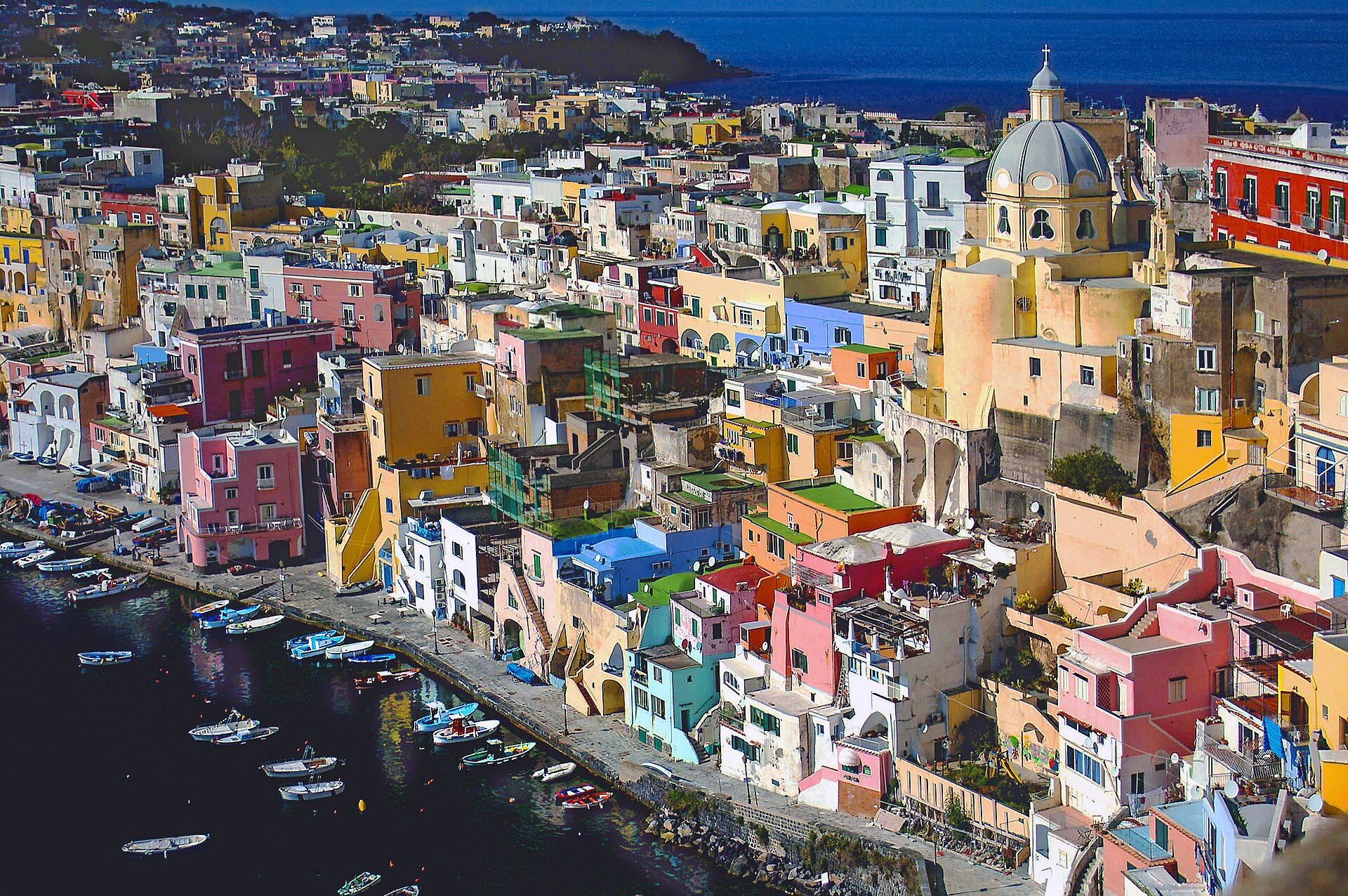
Procida is one of the Phlegraean Islands off the coast of Naples in southern Italy, located between Cape Miseno and the island of Ischia. The island is less than 4.1 square kilometers, making it the smallest of the three main islands in the Bay of Naples, with a population of around 10,596. Procida is easily accessible by ferry from Naples, with the journey taking between 35 minutes to an hour depending on the company and type of boat. The island is small enough to explore on foot in a day, though there are electric buses connecting Marina Grande with Il Postino, Marina Corricella, and Chiaiolella. In 2022, Procida was chosen as the Italian Capital of Culture, bringing international recognition to this small island.
The crown jewel is Marina Corricella, the island's most picturesque fishing port, where colorful houses cascade down the hillside like a watercolor painting, creating one of the most photographed scenes in Italy. This fishing village, accessible only on foot or by sea, is where fishermen mend their nets and tourists photograph the vibrant houses while searching for a good place to eat with views of the Tyrrhenian Sea. Terra Murata is the highest point on the island at 91 meters, a fortified medieval village that was built as a defense against pirate raids. The Palazzo d'Avalos, once the residence of the D'Avalos family and later a Bourbon palace, served as a prison until the late 20th century and now opens for guided or self-guided visits. The Abadia di San Michele Arcangelo, dedicated to the patron saint of Procida, dates back to the 11th century. From the abbey, you can enjoy spectacular views of Marina Corricella below. Procida has been chosen as a film set for numerous films, including Il Postino and The Talented Mr. Ripley.
The best time to visit is during spring, summer, and early autumn when you can enjoy the beaches and outdoor activities, though the island is beautiful year-round. Procida offers a perfect day trip from Naples, allowing you to escape the chaos of the city and experience authentic island life. Procida captivates with its vibrant colorful houses, authentic fishing village atmosphere, and medieval Terra Murata fortress, offering the most authentic and colorful island experience in the Bay of Naples.
Ercolano
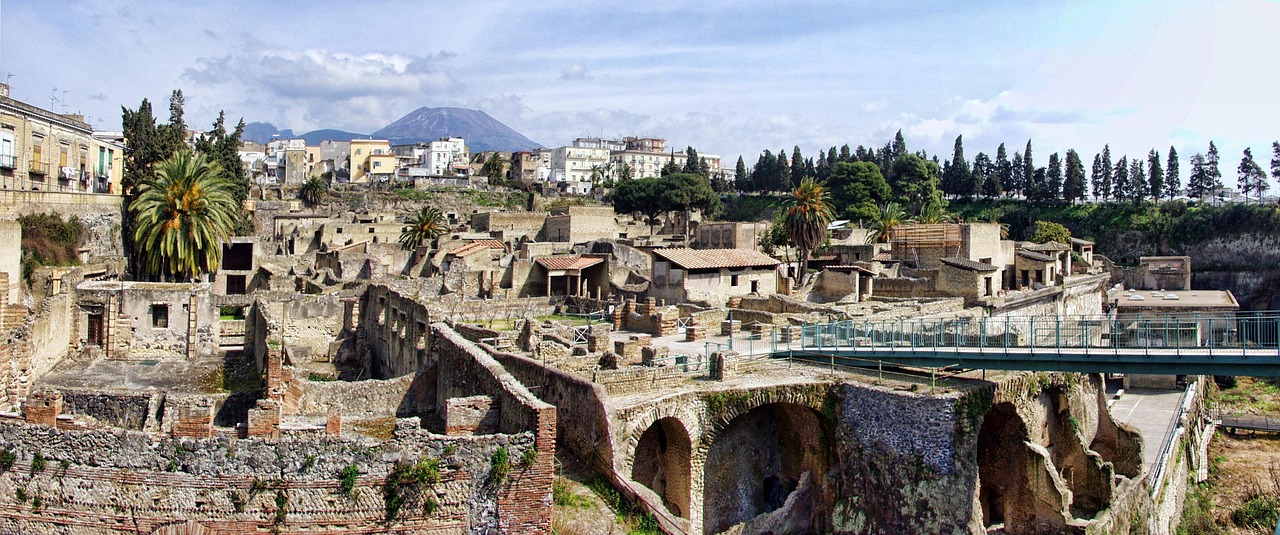
Ercolano is a town and comune in the Metropolitan City of Naples, Campania of Southern Italy, located at the western foot of Mount Vesuvius, on the Bay of Naples, just southeast of the city of Naples. The medieval town of Resina was built on the volcanic material left by the eruption of Vesuvius in 79 AD that destroyed the ancient city of Herculaneum, from which the present name is derived. On 12 February 1969, the President of the Italian Republic decreed the change of the name of the town from Resina to Ercolano, the Italian version of ancient Herculaneum. Ercolano is easily accessible from Naples, located about 12 kilometers from Naples city centre. The town is reachable by Circumvesuviana railway, with stations at Ercolano Scavi and Ercolano Miglio d'Oro, taking about 15 minutes from Naples.
The crown jewel is the Miglio d'Oro (Golden Mile), the leg of Corso Resina in Ercolano from the Archaeological Site of Herculaneum leading to Torre del Greco where are lined the largest, finest, and most sumptuous villas designed by the best architects of the time and built in the 18th century by the noble families of the Kingdom of Naples around the Royal Palace of Portici. In 1997, the Miglio d'Oro, together with Mount Vesuvius, was included in the World Network of Biosphere Reserves under UNESCO's Man and Biosphere Reserve Programme. The most famous villas include Villa Campolieto, built in 1755 and designed by Luigi Vanvitelli, and Villa Favorita, designed by architect Ferdinando Fuga in 1762. The Basilica Pontificia of Santa Maria a Pugliano is the main church of Ercolano and the oldest in town. The MAV (Museo Archeologico Virtuale) opened in 2005 to give a multimedia approach to the history of ancient Herculaneum. The Mercato di Pugliano is a street market where second-hand and vintage clothes are sold, generally at very low prices.
The best time to visit is during spring and autumn when temperatures are pleasant, though the town is accessible year-round. Ercolano offers a perfect combination of history, culture, and natural beauty, serving as an ideal base for exploring both the Herculaneum archaeological site and Mount Vesuvius. Ercolano captivates with its spectacular Miglio d'Oro with 18th-century aristocratic villas, historic Basilica of Santa Maria a Pugliano, and MAV Virtual Archaeological Museum, offering a fascinating blend of ancient and modern history.
Bagnoregio
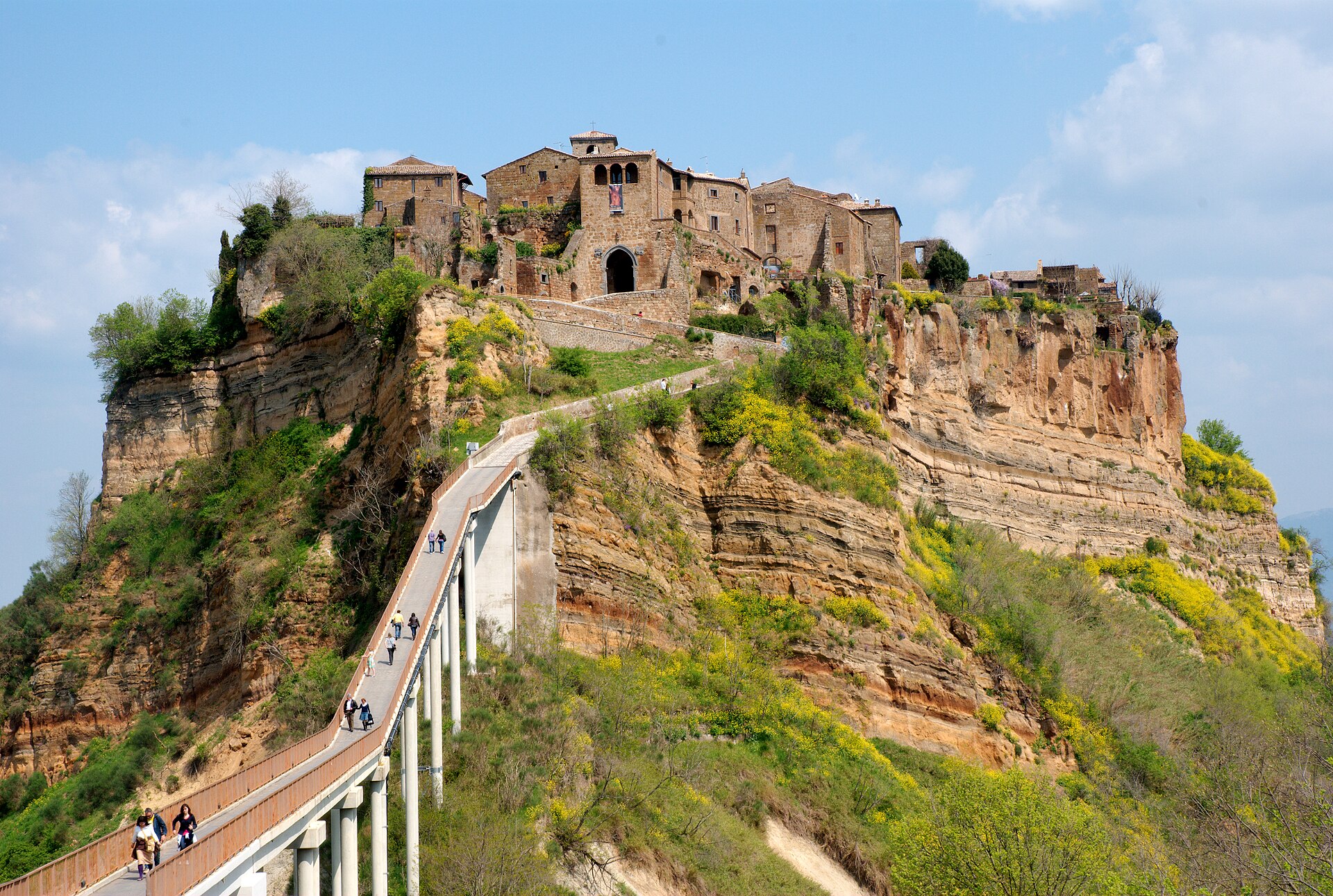
Bagnoregio is a comune in the Province of Viterbo in the Italian region of Lazio, located about 90 kilometers northwest of Rome and about 28 kilometers north of Viterbo. The town is famous as the birthplace of the philosopher and theologian St. Bonaventure in the early 13th century. Bagnoregio is easily accessible by car from Rome or Viterbo, though the main attraction is Civita di Bagnoregio, which requires a walk from the parking area in Bagnoregio. Visitors can take a €1 yellow minibus from the parking area to the bridge entrance, or walk about 20 minutes. What makes Bagnoregio truly special is Civita di Bagnoregio, the "dying town," a medieval village perched precariously on a crumbling plateau of volcanic tuff that is slowly eroding due to landslides, earthquakes, and water erosion. The village is accessible only by a reinforced concrete pedestrian footbridge built in 1965, which is 300 meters long and takes about 10 minutes to cross, with the final section being quite steep. Once home to over 3,000 people in the Middle Ages, Civita di Bagnoregio now has only about 12 permanent residents, making it one of Italy's most unique and endangered settlements.
The crown jewel is the dramatic pedestrian bridge that is the only way to reach Civita di Bagnoregio, creating a sense of adventure and isolation that makes the visit unforgettable. The bridge offers stunning views of the surrounding valley and the precarious position of the medieval village. Once inside Civita, visitors can explore the small but charming village with its narrow cobblestone streets, medieval architecture, and ancient churches. The Church of San Donato, located in the main square, dates back to the 7th century and was rebuilt in the 16th century. The Antica Civitas is a small museum that explains the history of the Etruscans in the town. Despite its small size and dwindling population, Civita di Bagnoregio receives up to 10,000 visitors daily during peak season, making tourism its primary means of survival. The entrance fee helps fund preservation efforts to slow the erosion and maintain the bridge and buildings.
The best time to visit is during spring and autumn when temperatures are pleasant for the bridge walk, though the village is accessible year-round. It's advisable to arrive early or late to avoid crowds and the summer heat, and to experience the village when it's quieter and more atmospheric. Bagnoregio captivates with its dramatic Civita di Bagnoregio, the "dying town" accessible only by a spectacular pedestrian bridge, offering a once-in-a-lifetime experience to visit a village that is literally disappearing.
Moena
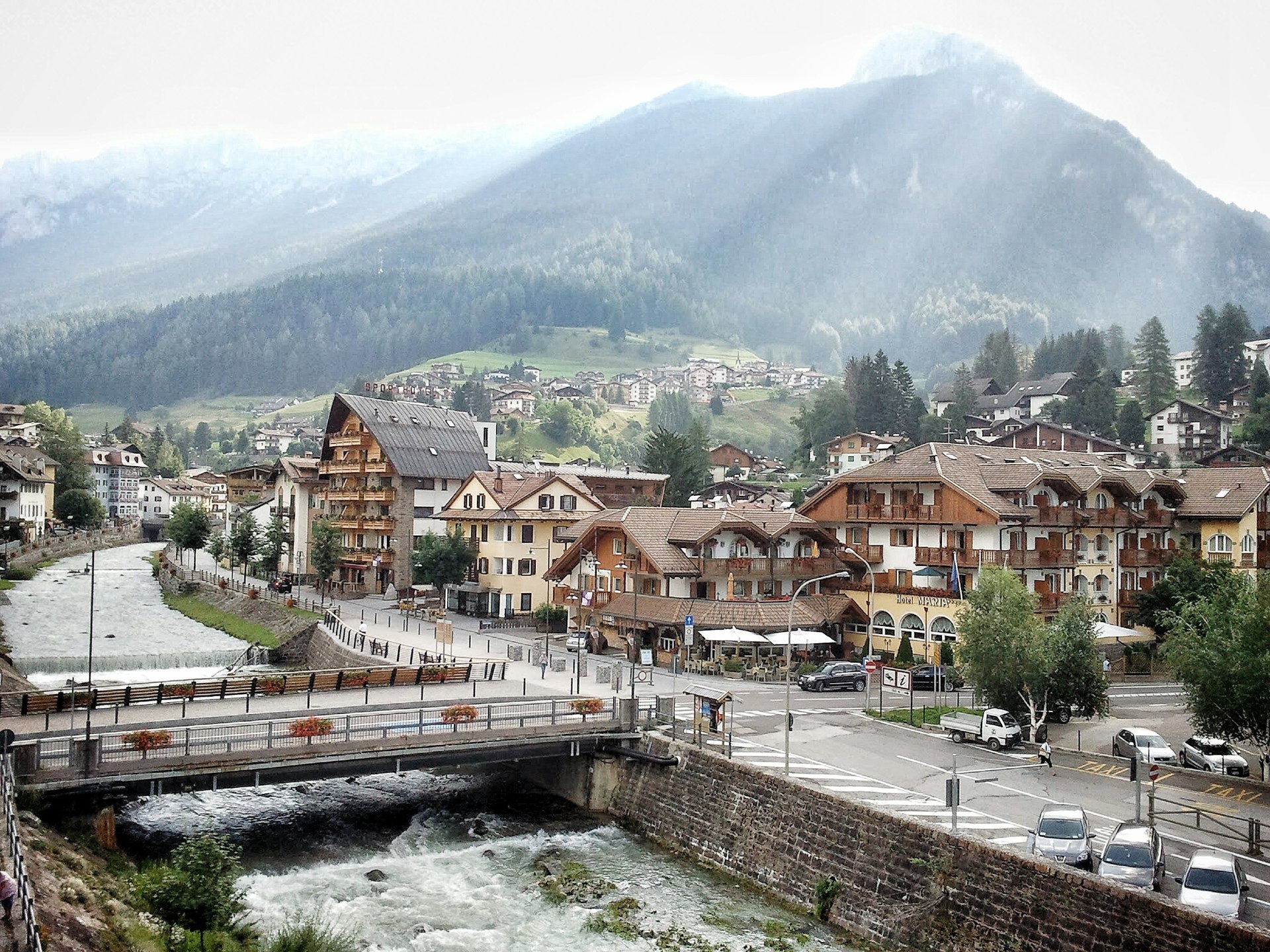
Moena is a comune and village in Trentino in the northern Italian region of Trentino-Alto Adige/Südtirol, located about 60 kilometers northeast of Trento. It is the largest comune in the Fassa Valley, lying on the Avisio, a tributary of the Adige river, at an elevation of 1,148 meters above sea level. In the census of 2001, 75.6% of inhabitants declared Ladin as their native language, making Moena one of the strongholds of Ladin culture in the Dolomites. Moena is known as "The Fairy of the Dolomites" for the magical Alpenglow phenomenon that occurs at dawn and dusk, when the peaks of the Dolomites turn pink. Moena is easily accessible by car, with the nearest motorway exit at Egna/Ora if coming from the south. The town is part of the Alpine Pearls association, which brings together 25 of the most beautiful Alpine resorts attentive to sustainability and gentle mobility.
The crown jewel is the Church of San Vigilio, with its pointed Gothic bell tower that is visible even from a distance, featuring 18th-century paintings by Valentino Rovisi. From the church, you can admire a wide view over Val San Pellegrino and the Monzoni group. Moena is particularly famous for the La Turchia festival, which takes place once a year from August 19th until the 21st. According to Turkish tradition, villagers have been celebrating this event, which dates back 323 years. An Ottoman janissary, wounded during the Siege of Vienna in 1683, ended up in Moena and changed the life of the village, becoming a hero. In the village center, there is a statue of that janissary. The town is also home to the Great War exhibition, a treasure trove of memorabilia from the Great War in the Fassa Dolomites. Moena is part of the Network of Val di Fassa Nature Reserves, where 22% of the territory is protected. Moena is famous for Puzzone di Moena DOP, a Slow Food Listed Product cheese made with excellent milk.
The best time to visit is during all seasons, as Moena offers different experiences throughout the year. In summer, you can enjoy hiking, via ferratas, climbing, cycling, and mountain biking. In winter, Moena is part of the Dolomiti Superski area, with the Alpe Lusia ski district located just 4 km away, offering access to one of the largest ski destinations in the world. Moena captivates with its position as the "Fairy of the Dolomites" with the magical Alpenglow phenomenon, strong Ladin cultural identity, and access to Dolomiti Superski and nature reserves, offering a perfect blend of Alpine culture, sustainable tourism, and authentic Ladin traditions.
Conclusion
These ten hidden gems of Italy prove that the country has so much more to offer beyond its famous cities. Each destination offers a unique perspective that will challenge everything you thought you knew about Italy. Whether you're wandering through Herculaneum's streets where houses still have their original wooden doors, admiring colorful frescoes that have survived nearly two millennia, exploring Matera's ancient Sassi cave dwellings carved into limestone cliffs, discovering rupestrian churches with Byzantine frescoes, strolling along Camogli's colorful harbor lined with fishing boats, admiring the vibrant houses that once guided ship captains home, exploring Ostia Antica's well-preserved commercial port with its theatre and baths, admiring the magnificent black and white mosaics of Neptune, relaxing on Levanto's sandy beach, e-biking through the hills with views of the Cinque Terre, discovering Fascia's tiny mountain village at the highest point in Liguria, hiking through the Antola Regional Natural Park, wandering through Procida's colorful Marina Corricella, exploring the medieval Terra Murata fortress, discovering Ercolano's spectacular Miglio d'Oro with its 18th-century aristocratic villas, crossing the dramatic bridge to Bagnoregio's Civita di Bagnoregio, exploring the "dying town" with its medieval architecture and only 12 permanent residents, or experiencing Moena's magical Alpenglow phenomenon that turns the Dolomites pink, immersing yourself in Ladin culture, these hidden gems invite you to slow down and truly experience the magic of Italy.
Spirit of Traveling Team
Passionate traveler and content creator sharing authentic travel experiences and practical tips for independent explorers.